How to Start a Sober Living Home (2026 Step-by-Step Guide)
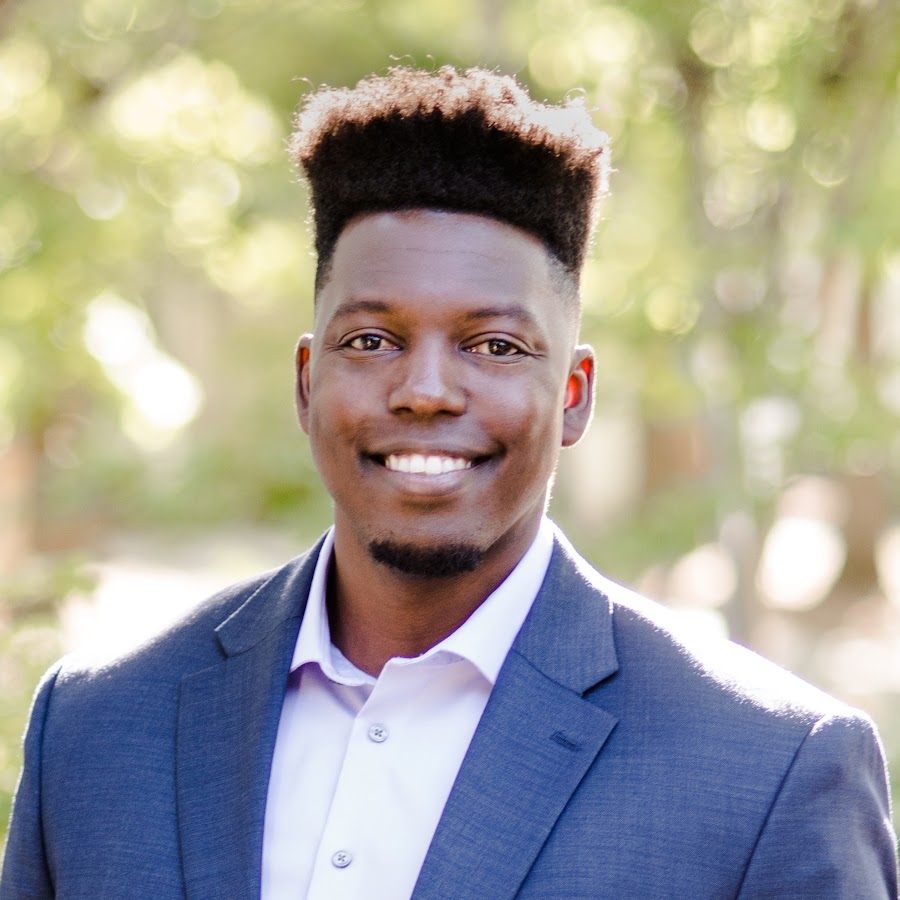
By Andrew Lamb, founder of Sober Living Riches, licensed California Realtor, and operator of 19 sober living homes. Published July 2, 2026. Updated November 18, 2026.
The short answer
You start a sober living home, also called a sober living house, in five steps: confirm who will send you residents, secure a house that fits that demand, set it up with written rules and a clear intake process, fill the beds through referral relationships, and run it well before you open a second. Demand comes first. Sign nothing until you know who fills the beds.
- Start with demand, not a house. Call the treatment centers, outpatient programs, and probation offices in your market before you look at a single property. They'll tell you which beds they can't find.
- A sober living home is housing, not treatment. There's no clinical staff and no therapy under your roof. That's why most states don't require a license, and why you don't need a medical background.
- The money comes from charging by the bed instead of by the door. In my standard house, nine beds at about $900 a month bring in $8,100 when full. The same house brings in $2,400 as a traditional rental.
- Buying is the path I recommend. You keep the tax benefits and the control. If you don't have the down payment, creative financing can close that gap, and leasing a house is the fallback.
- Beds fill through relationships. Most homes fill without ads. One strong referral partner can keep a whole home full.
On this page
- What a sober living home is
- Whether you need a license
- How much a sober living home makes
- What it costs to start
- Whether this is right for you
- The five steps
- The mistakes that cost the most
- Questions people ask
Why most people start in the wrong place
Most people who want to open a sober living home fall in love with a house first. They sign for it, furnish it, and only then go looking for residents. Three months later they're carrying a payment on a half-empty home.
The fix is to reverse the order. Before I committed to my first home, I knew who would fill the beds. I've kept that order across all 19 homes I operate in California. When you confirm demand before you commit to a property, you can open with a waiting list.
Everything below builds on that one idea.
What is a sober living home or sober living house?
A sober living home is a substance-free house where people live together with structure and accountability. You'll also hear it called a sober house.
The word that matters is housing. You provide a safe, stable place to live. You don't provide treatment. Residents, or a local agency on their behalf, pay a monthly fee to live there while they rebuild, usually after finishing a treatment program or while attending an outpatient one. Most residents are in recovery, but a sober living home can also take anyone who chooses to live drug- and alcohol-free. They sign a license agreement with house rules, and they hold each other to those rules.
That's also why this business is open to people with no clinical background. You don't need to be a therapist or a nurse. You need a well-run home and the right relationships.
Do you need a license to start a sober living home?
In most states, no. A sober living home that provides housing and no treatment usually isn't a licensed facility.
A few states do regulate them. Arizona, New Jersey, and Utah require a state license, and Ohio has required certification or accreditation since January 1, 2025. Rules change, so check yours on our requirements by state page before you commit.
What most states have in place of a license is voluntary certification. It runs through a state affiliate of the National Alliance for Recovery Residences, known as NARR. Florida's affiliate is FARR, Texas has TROHN, Colorado has CARR, and Massachusetts has MASH. The affiliates certify homes against NARR Standard 3.0.
| State | What the state requires | Who you go through | Source |
|---|---|---|---|
| Arizona | A state license before you open | Arizona Department of Health Services | ADHS fact sheet |
| New Jersey | A Class F license for a cooperative sober living residence | Department of Community Affairs | N.J.A.C. 5:27-1.4 |
| Utah | A recovery residence license, which covers sober living | DHHS Office of Licensing | Utah Admin. Code R501-18 |
| Ohio | Certification or accreditation, required since January 1, 2025. New homes get 18 months while they work toward it | Ohio Department of Behavioral Health or an approved accrediting body | Ohio Rev. Code 5119.392 |
| Florida | No license. Certification is voluntary, but licensed treatment providers can only refer to certified homes | FARR | Fla. Stat. 397.487 and 397.4873 |
| Texas | No license. Accreditation is voluntary, but since September 1, 2025, only accredited homes can receive state funds | TROHN | Texas HB 299 analysis |
| Massachusetts | No license. Certification is voluntary, but treatment discharge plans can only refer to certified homes | MASH | M.G.L. ch. 17, sec. 18A and sec. 19 |
| California | No license for a home that provides no treatment. Certification is voluntary | CCAPP | DHCS |
Checked against each state's own statutes, rules, or agency pages in November 2026. Most other states require no state credential for a home that provides housing and no treatment.
Certification isn't about permission. It's about access. Many treatment centers will only refer to certified homes, so the same certificate that feels like paperwork is part of how you fill beds.
One federal law sits underneath all of this. The Fair Housing Act treats people in recovery as people with a disability, and the Justice Department and HUD have published joint guidance on how that law applies to local zoning and group homes. Read it before you talk to your city. I'm not an attorney, and when your local rules are unclear, talk to one who knows recovery housing.
How much does a sober living home make?
A traditional rental collects one check. A sober living home collects one per bed. That difference is the whole financial engine.
Here is the standard house I use in every pro forma, shown both ways.
| Monthly | Traditional rental | Sober living home, 9 beds |
|---|---|---|
| Income when full | $2,400 | $8,100 (9 beds at about $900) |
| Income at 90% occupancy | $2,400 | $7,290 |
| Utilities | Paid by the renter | $500 |
| Insurance rider | None | $175 |
| Call tracking | None | $75 |
| Supplies | None | $50 |
| Mortgage, taxes, and insurance at the median US home price | $2,850 | $2,850 |
| Cash flow | -$450 | $3,640 |
Where these numbers come from: the beds, the monthly fee, and the operating costs are the model house I teach, built from the homes I operate and from results reported by hundreds of Sober Living Riches members. The cost of owning the house uses the national median existing-home price of $416,700 (National Association of Realtors, October 2026), bought with 20% down on a 30-year loan at 7.32%. That is $2,290 a month in principal and interest, plus about $350 for property taxes and $200 for insurance. Figures are monthly, as of November 2026. Your house, your market, and your occupancy will change them. This is a planning model, not a projection of your results. The house in the next section is a real home I own, with its actual numbers.
Look at the traditional rental column again. A median-priced house bought today doesn't cover its own costs at $2,400 a month. Put nine beds in the same house and it clears about $3,640.
Full, the model house brings in about 3.4 times its traditional rent. Across the homes we see, the range runs 3 to 5 times.
Two lines in that table surprise people. There's no house manager salary. A house lead, a resident who has earned the role, helps run the home in exchange for a discount on the monthly fee. And the operating costs are small, about $800 a month in this house.
One of my own houses: seven beds in Northern California
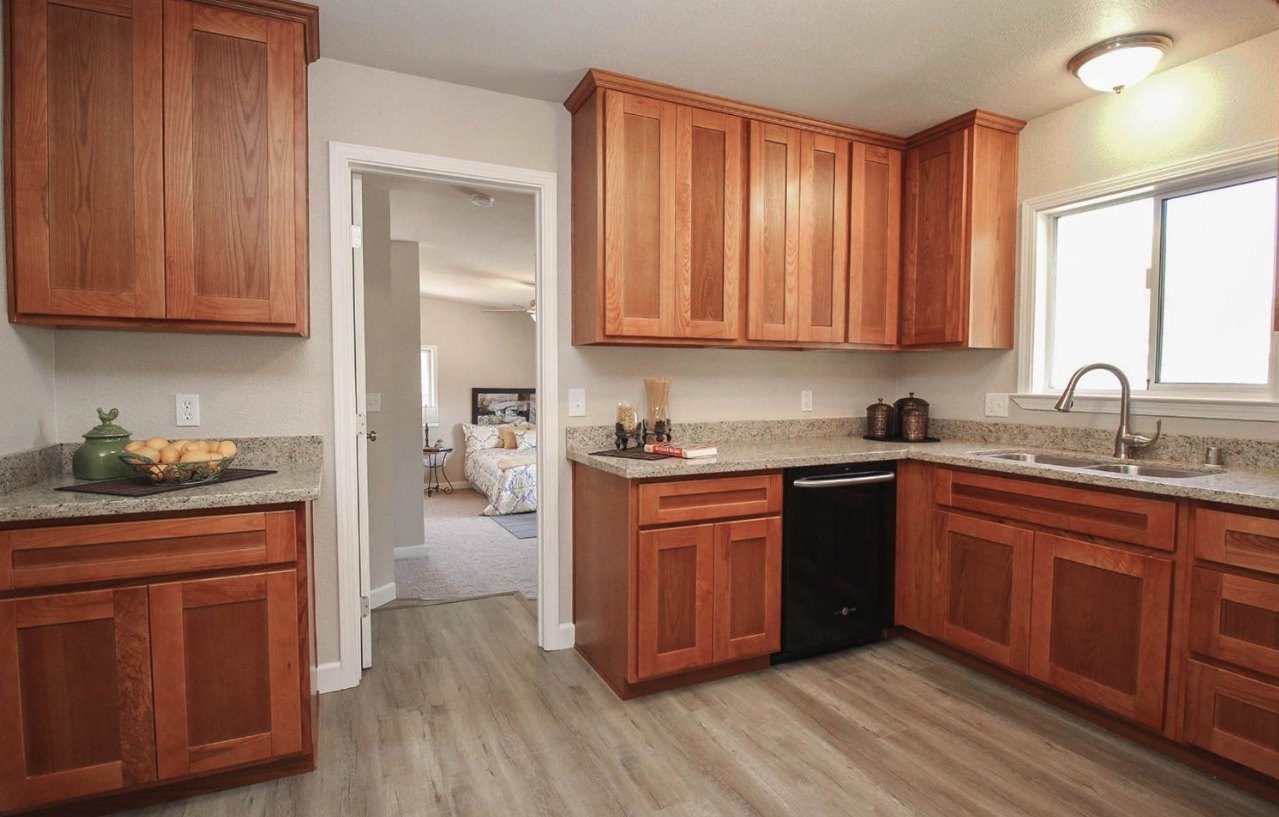
A model is a model. Here's a house I own.
I bought this three-bedroom home in Northern California in July 2023 for $550,000. I didn't take out a new loan. I bought it subject to the existing mortgage, which carries a 3.875% rate, and a private lender funded the closing with a note of $82,194 at 10%. None of the money that closed this deal came out of my pocket. Nearly every home I've bought has taken little or none of my own money, and that's the creative financing I talk about in Step 2.
| Monthly | My house |
|---|---|
| Beds | 7 |
| Fee per bed when the home opened | $1,200 to $1,350 |
| Income when full | $8,400 to $9,450 |
| Income at 90% occupancy | $7,560 to $8,505 |
| Mortgage payment, escrow included | $2,761 |
| Gas, electric, and internet | $444 |
| Left after the mortgage and those utilities | $4,355 to $5,300 |
The mortgage figure is the full monthly payment with escrow. Gas and electric are the billed monthly average for this house.
After the private note and every other bill, this house cash flowed well over $3,000 a month.
Notice what the 3.875% loan does. This house cost $133,000 more than the national median, and its payment is lower than the $2,850 in the model above.
When I bought this house in 2023, the average rent in the area was about $2,600 a month. That wouldn't even have covered the mortgage payment. With seven beds, the same house brings in about three times that much.
But the numbers aren't what matters most. This house is home to women and children who had nowhere else to go.
Now the part plenty of people online leave out. None of this is automatic, and none of it happens on day one. The cash flow shows up when the beds are full, and beds fill through relationships. A half-empty home makes very little. So the whole job comes down to opening the right home in the right place and keeping it full.
Run your own address through the Sober Living Deal Calculator, or read the full breakdown in how much a sober living home makes.
How much does it cost to start a sober living home?
Your biggest cost is the house, and how you get the house sets the amount. If you buy, it's your down payment and closing costs. If you lease, it's a deposit and the first month.
After the house, the largest line is furniture. I furnish a home for under $5,000.
The full line-by-line budget is in how much it costs to start a sober living home, and the loan options are in how to finance a sober living home.
Is opening a sober living home right for you?
This works for people who will pick up the phone. If you're willing to call treatment centers, build real relationships, and run a home with rules you enforce, you can do this without a clinical background.
It's a poor fit if you want a rental you can ignore. A sober living home is a business with people living in it, and those people deserve an operator who shows up.
Now, I know what you're thinking...
"I don't have a down payment." Most people don't. That's what seller carryback and subject-to purchases are for. Nearly every home I've bought took little or none of my own money. If neither works yet, lease a house and start there.
"I'm not a counselor or a nurse." You don't need to be. You provide the housing, and treatment happens somewhere else.
"What if my city or my neighbors push back?" Read the federal guidance linked above before you talk to anyone, then read our zoning guide. When your local rules are unclear, call an attorney who knows recovery housing.
"What if the beds don't fill?" That's the fear Step 1 exists to reduce. You confirm who will send residents before you commit to a house.
How to open a sober living home in five steps
| Step | What you do | What you have when it's done |
|---|---|---|
| 1. Confirm demand | Call the people who place clients into housing every week | A written list of referral partners and the beds they can't find |
| 2. Secure the house | Buy, or lease as a fallback, a home that fits that demand | A property with the right bedrooms, in the right location |
| 3. Set up the home | Write the rules, the license agreement, and the intake process. Furnish it | A home ready for certification and for residents |
| 4. Fill the beds | Tell your referral partners you're open, and answer every call | The goal: occupancy at or near 90% |
| 5. Run the home | Hold the standard, then decide whether to open a second | A home that runs on written systems |
Step 1: Confirm demand before you sign anything
Full beds are the whole game, so confirm the demand for your beds before you spend a dollar on property. This is the step nearly everyone skips.
Get on the phone with the people who place clients into housing every week: treatment centers, detox facilities, intensive outpatient programs, probation and parole officers, hospital social workers, and veterans' services. Ask each one the same question. What kind of housing can't you find for the people you're discharging?
Their answers point straight at your opening. You might hear that no home near you takes women with children. Or that every men's bed has a two-week wait. Each gap is a home waiting to be opened.
Write down who you spoke with, what they need, and whether they'd send you residents. That list is worth more than any property you'll tour.
This is also where most people stall, because building the list from nothing is slow. Our members don't start from a blank page. They work from our list of local organizations in over 700 counties that can refer residents, and often pay for them to live in a sober living home.
Step 2: Secure the house
Now find a house that matches the demand you confirmed. Let Step 1 choose the property. A modest home two blocks from three treatment centers fills faster than a beautiful one in the wrong neighborhood.
You have three ways to get the house.
- Buy the house. This is the path I recommend. You keep the tax benefits, you control the property, and nobody can decline to renew on you.
- Use creative financing. If the down payment is what stops you, seller carryback and subject-to purchases exist for exactly that gap. I've also used the BRRRR method: buy a house that needs work, rehab it, rent it out, refinance to pull your money back out, and repeat. Between these approaches, almost all of my purchases have been low or no money down from me personally. A DSCR loan is another route. See how to finance a sober living home.
- Lease the house. This is the fallback when you don't have capital or a financing plan yet. You lease from an owner with written permission to operate a sober living home. Owners say yes more often than people expect once they see a multi-year term and a professional operator.
For what to look at in the house itself, read how to choose the right property. For the local rules, read zoning laws for sober living homes.
Step 3: Set the home up right
Getting the house is where a lot of operators relax. It's where the real work starts.
A well-run home has four documents before the first resident moves in:
- Written house rules that you enforce
- A license agreement every resident signs
- An intake and drug-testing process
- A plan for what happens when someone relapses
Build to NARR standards from day one so you're better prepared for certification. Get your insurance in place before move-in too.
Then furnish the home so people want to stay. A home that feels like a home holds its occupancy better than a bare one.
Underneath the paperwork is a simple principle. Run the home like the people living there matter, because they do. Referral partners can tell which operators mean it, and they send their clients to those homes.
Step 4: Fill the beds
Filling beds is a referral job. If you did Step 1 well, most of the work is already done.
Go back to the people you called and tell them you're open. Then make it easy to send you someone. Answer the phone. Keep a bed ready. Respond the same day. Make intake painless.
Referral partners don't care how many houses you own. They care that when they call with someone who needs a bed tonight, you pick up and you have one. A single strong relationship with a treatment center can keep an entire home full.
Earning that trust is a skill you can learn. We teach it as a repeatable process, and the full walkthrough is in how to fill a sober living home.
Step 5: Run it, then decide whether to open a second
Once the first home is full, the hard part is behind you. You can stay at one home, or open a second with the playbook you just proved.
The second home is easier, because the rules, the intake process, and the referral relationships already exist. Finding the house becomes most of the work.
Chad S. opened four homes in three months and runs nine today. Dr. J opened three homes for women and children. Those are their results, and yours will depend on your market and your work. You can read more in the case studies.
The mistakes that cost people the most
Almost every expensive mistake is a version of ignoring the order.
- Committing to a house before confirming demand
- Opening in a market you never called
- Skipping the written rules and the intake process, then losing control of the house
- Treating referral partners as an afterthought
- Trying to work it all out alone
Questions people ask before starting a sober living home
Is it hard to open a sober living home?
The steps are simple, and the work is real. Most of the difficulty sits in Step 1 and Step 4, building referral relationships. People who do those two steps well find the others manageable.
Is a sober living house the same as a sober living home?
Yes. People use both names, and you'll hear "sober house" too. They all mean substance-free shared housing for people in recovery, with no treatment provided in the home.
Is a recovery residence the same as a sober living home?
Not quite. "Recovery residence" is NARR's term. Its national standard, NARR Standard 3.0, requires a certified home to name people in recovery from substance use disorder in its mission (Standard 1a) and serve them as its priority population (Standard 11a). That's who a recovery residence is built for.
A sober living home can serve a wider group. Anyone who chooses to follow the house rules and stay drug- and alcohol-free can live there, whether or not they're in recovery. NARR's standard doesn't bar those residents. It requires that people in recovery be part of who the home serves, and a certified sober living home still carries the "recovery residence" label on its paperwork.
Are sober living homes profitable?
They can be. The standard house above shows $3,640 a month in cash flow at 90% occupancy. Rented the traditional way, the same house comes up about $450 short every month. A home that stays half empty makes very little, so occupancy decides the answer.
How do sober living homes get paid?
Traditionally, residents pay their own monthly fee for their bed, and many homes still work that way. But I found that there are local organizations with grant funds that simply need housing providers to contract with. I work with multiple agencies and nonprofits across California, and the majority of the people in my homes are covered that way.
This isn't just a California thing. I've talked with organizations across the United States by phone, and I went to Boston and Worcester, Massachusetts, to meet them in person. I sat down with case managers, treatment programs, and contacts inside the Department of Correction, the Department of Mental Health, and MassHealth. I've had the same conversations in Austin, Texas, in Orlando, Florida, and in Kentucky. Every time, I heard the same thing: the funding exists, and they need more housing.
In every state I've called or visited, I've found a need and a funding source.
I've taught over 2,500 people to build these relationships, and we've compiled a list of local organizations in over 700 counties that can refer residents and pay for them to live in a sober living home. Because a sober living home provides housing and no treatment, it doesn't bill health insurance for care.
How do you get funding for a sober living home?
Most operators fund the house the way any investor does: a DSCR loan, an SBA loan, or creative financing such as seller carryback. Leasing lowers the cash needed to start. The options are compared in how to finance a sober living home.
How long does it take to start a sober living home?
It depends on how fast you confirm demand and secure a house. One member, Catricia R., opened four homes in 90 days. That is her result and not a promise.
Do you need to own the house?
No. Buying is the path I recommend, and leasing with the owner's written permission is the fallback.
What goes in a sober living home business plan?
Your market's demand, the house, the monthly numbers, your referral plan, and your operating rules. The outline is in the sober living business plan guide.
Where to go from here
Hold the order in your head: confirm demand, secure the house, set it up right, fill the beds through relationships, then decide whether to open a second.
If you want to see how the numbers work on a house in your market, start with the Sober Living Deal Calculator. If you want the full process, watch the free training and see if you qualify for a call.
Want to start your own sober living home?
Run your numbers, then watch the free training.
Try the Deal Calculator Watch the Free TrainingRelated guides
- How to start a sober living home in California
- Do you need a license to open a sober living home?
- How sober living homes work: a long-form conversation with Andrew Lamb
Sources
- NARR Standard 3.0, National Alliance for Recovery Residences
- Joint Statement on State and Local Land Use Laws and Practices and the Application of the Fair Housing Act, US Department of Justice and HUD, 2016
- Existing-home sales report, October 2026, National Association of Realtors
- Member case studies, Sober Living Riches
Results shown are documented individual member outcomes and are not typical or guaranteed. This content is educational and is not legal or financial advice.