What makes a good property for a sober living home?
A strong property fits the intended residents, has a safe and practical layout, meets local requirements, provides access to daily needs, and works financially at a conservative occupancy level.

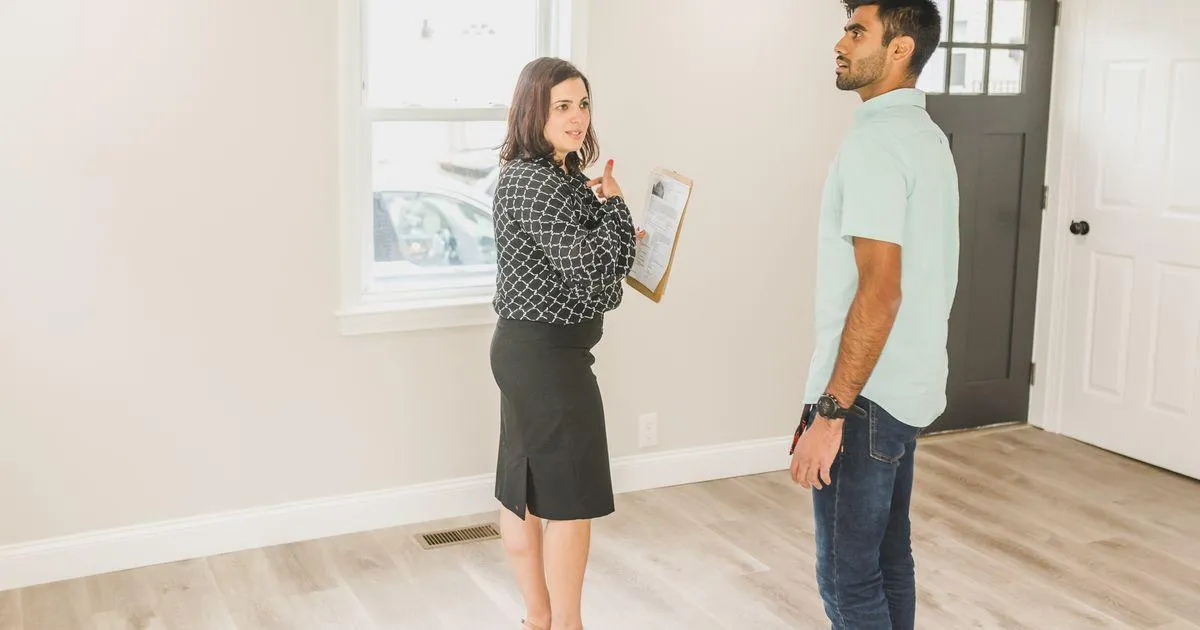
The right sober living property is safe, legal for the intended use, practical for the residents, accessible to work and recovery resources, and financially sound at a conservative occupancy level. The best-looking house can still be the wrong choice when the location or layout fights the business.
First-time operators often start with bedrooms because beds create revenue. That’s only one part of the property. Residents still need bathrooms, exits, storage, common space, transportation, and enough room to live without the house feeling chaotic.
Across our 18 homes, some of the most important property decisions had nothing to do with curb appeal. A practical layout, the right location, and room for daily routines matter every week after the listing photos stop mattering.
Use five tests before you make a commitment.
A home for women with children has different property needs from a home for single men. Residents who depend on public transportation need a different location from residents with reliable cars. A population that works late shifts may need parking and house routines that another home doesn’t.
Referral conversations help uncover those differences. Treatment centers, probation departments, hospitals, clinicians, and community organizations often know where the current housing gaps are. Their answers should influence the search.
This doesn’t mean a referral partner chooses your property. It means you stop guessing about whom the property needs to serve. Read what type of sober living home to open before touring houses.
A low rent can hide a costly location. If residents can’t reach work, outpatient treatment, recovery meetings, court appointments, groceries, or medical care, the home may create avoidable turnover.
Walk the route instead of measuring it on a map. A bus stop half a mile away may be unusable when the road has no sidewalk. A nearby employer may not hire the population you serve. A neighborhood may look convenient during the day and feel very different at night.
Look at the routines a resident will repeat every week. The property should make those routines easier, not harder.
Two six-bedroom homes can operate very differently. One may have enough bathrooms, open common space, safe exits, and useful storage. The other may create lines, conflict, and constant rule enforcement.
Inspect bedrooms, but also inspect the kitchen, laundry, living room, outdoor space, parking, entrances, lighting, stairs, and sight lines. Think about where residents will keep food, medication, personal belongings, bikes, and work equipment.
More beds aren’t always better. Capacity has to respect local rules and the experience inside the home. A house that feels overcrowded can damage retention, referrals, and the culture you’re trying to build.
Confirm the zoning designation, occupancy rules, fire requirements, business requirements, insurance availability, and any state licensing or certification obligations. If you’re leasing, the owner should understand the proposed use and approve it in writing.
Federal fair-housing law can protect residents in recovery and may support a reasonable-accommodation request. It doesn’t replace a property-specific review. The operator still needs accurate answers about the address and operating model.
Our guide to zoning laws for sober living homes explains how those layers fit together.
A property shouldn’t require a flawless opening to survive. Add the rent or debt payment, utilities, insurance, maintenance, staffing, supplies, software, professional expenses, and reserves. Then test the budget with empty beds.
Ask what happens if opening takes longer, repairs cost more, or a few residents leave at once. A beautiful spreadsheet at full occupancy doesn’t tell you whether the house can carry normal setbacks.
The purchase or lease also needs enough time and control to justify the setup. Review renewal terms, maintenance responsibilities, permitted modifications, balloon payments, and exit conditions before signing.
The property is important, but it isn’t the first step. Build evidence of demand, choose the people you’ll serve, and then find a home that supports that plan. That order gives you a much better chance of opening the right house instead of forcing the wrong one to work.
If you already own a rental, Andrew covers what changes when the property becomes recovery housing in his Millionaire Mindcast conversation about converting a rental.
Sources and further reading
A strong property fits the intended residents, has a safe and practical layout, meets local requirements, provides access to daily needs, and works financially at a conservative occupancy level.
There is no universal number. Capacity depends on bedroom size, exits, bathrooms, common space, local occupancy rules, the level of support, and the experience you want residents to have.
It can be critical when residents do not drive. Access to work, treatment, meetings, groceries, and appointments should match the population the home plans to serve.
No. Local demand and referral conversations should help determine the population, location, price, and capacity before you commit to a property.
Want help turning the plan into a real home?
Watch Andrew Lamb’s free training on the demand-first approach.
Watch the Free TrainingThis article is educational and isn’t legal, zoning, clinical, lending, tax, or investment advice. Requirements and professional guidance vary by property and location.

Founder, Sober Living Riches
Andrew Lamb is the founder of Sober Living Riches and a California operator with 18 sober living homes. The company behind those homes grew 891% in three years and ranked No. 7 among real estate companies and No. 395 overall on the 2026 Inc. 5000. A husband and father of five, he taught school and spent over a decade in real estate before opening his first home in a property he'd lined up to flip. He builds and teaches this because a safe, stable home is what lets people rebuild their lives, and Sober Living Riches is how he hands the full playbook to others.
Watch the free training, then book a call to see if it fits.
Watch the Free Training


