Can you start a sober living home without buying property?
Yes. An operator may lease or master lease a suitable property when the owner approves the intended use and the agreement permits it.


You don’t need enough cash to buy a property outright before starting a sober living home. Operators can lease, borrow, refinance, bring in a partner, or structure a purchase creatively. The right option depends on the property, your financial position, and the amount of control you want.

I’ve used several of these methods to buy and operate homes, including private lending, DSCR financing, seller financing, subject-to purchases, and the BRRRR method. I’ve also leased properties when owning one wasn’t the best first move.
That experience taught me something simple: real estate takes money, but it doesn’t always have to be your money. You still need a sound deal, enough room for problems, and a clear plan for repayment. What changes is where the capital comes from and how the agreement is structured.
People often choose a financing method before they understand the deal. That order is backward. A property that needs a major renovation calls for a different solution than a move-in-ready rental. A seller with no mortgage creates different options than one with a low-rate loan already in place.
Your first question shouldn’t be, “How do I get a DSCR loan?” It should be, “Does this property work for the sober living home I’m planning, and which capital source fits this deal?”
That’s also why we believe operators should understand local demand before taking on a property. Financing can help you acquire the wrong house just as easily as the right one. Start by learning where residents will come from, what your market needs, and what the home can reasonably support.
You don’t have to own the property. A lease or master lease can give an operator control of a home without providing a traditional down payment or qualifying for a mortgage.
I used this approach when we expanded into Los Angeles. Buying immediately didn’t make sense in a new market, so we leased instead. Leasing isn’t automatically cheap, and a landlord still has to approve the intended use. Deposits, rent, furnishings, insurance, and setup expenses also remain part of the budget.
The advantage is flexibility. It can let an operator prove the market and preserve capital before deciding whether ownership makes sense. Our guide to starting without owning property explains that decision in more detail.
A conventional mortgage is only one lending option. Real estate investors also use private money, hard money, and DSCR loans. Each solves a different problem.
Capital comes from an individual rather than a traditional bank. The lender usually evaluates the property, the operator, the plan, and the relationship.
A specialized lender finances investment properties, often with greater speed and flexibility than a conventional bank. That flexibility generally comes with higher costs.
The lender focuses heavily on whether the property’s expected rental income can cover its debt obligations. Personal credit may still affect qualification or pricing, but the loan is built around the property’s ability to support the debt.
These options don’t make a weak deal safe. Interest, points, closing expenses, required equity, reserves, and prepayment penalties can change the economics quickly. Compare the full cost and exit terms rather than choosing a loan because the monthly payment looks manageable.
BRRRR stands for buy, rehab, rent, refinance, and repeat. The investor acquires a property that needs work, improves it, stabilizes the rental income, and then refinances based on the completed property.
I used this general approach when acquiring and renovating several of our early homes. The refinance can return some of the capital used for the purchase and renovation, which may then support another acquisition.
The method depends on disciplined buying and conservative numbers. If the renovation costs more than expected, the completed value comes in low, or the refinance doesn’t return enough capital, the investor may have more money trapped in the property than planned.
Creative financing isn’t one product. It’s a group of structures that let a buyer and seller agree to terms outside a standard new mortgage.
The seller accepts payments over time instead of receiving the entire purchase price at closing. The seller effectively becomes the lender for some or all of the purchase.
The buyer receives title while the seller’s existing mortgage remains in place. The buyer takes responsibility for making the payments, but the original loan generally remains in the seller’s name.
A purchase can combine methods. For example, a buyer might take over an existing mortgage and have the seller finance the remaining equity.
These transactions can solve real problems for sellers, but they’re specialized agreements with meaningful legal and financial risks. Existing mortgages may contain due-on-sale clauses, insurance has to be handled correctly, and both parties need to understand their continuing obligations. Use qualified legal, title, insurance, and tax professionals before signing anything.
Buying or leasing the property is only part of the capital plan. A new sober living business may also need money for furniture, fixtures, supplies, equipment, insurance, working capital, and other eligible expenses.
Business credit can help separate some company expenses from personal cash, although a new business may still require a personal guarantee. Credit limits, interest rates, introductory offers, and underwriting vary, so the repayment plan matters as much as the approval.
The SBA Microloan Program works through approved intermediary lenders. Eligible businesses may use the money for purposes such as working capital, furniture, fixtures, supplies, and equipment. Microloan proceeds can’t be used to purchase real estate or repay existing debt.
Some members in our community have secured the full $50,000 after we introduced them to an outside lender that helped them prepare the required business plan. Sober Living Riches isn’t the lender, and approval always belongs to the independent lender.
SBA 7(a) loans may support a wider range of eligible business purposes, including starting a business, working capital, equipment, and qualifying real estate. Those loans are issued by participating lenders under SBA rules. Eligibility, collateral, equity, and underwriting depend on the borrower and the proposed use of funds.
A good financing plan doesn’t simply get you into the property. It leaves enough room to open the home properly and operate it without every delay becoming a financial emergency.
Access to capital can remove a major obstacle, but money alone won’t choose the right population, confirm local requirements, create referral relationships, or operate the home. Those decisions determine whether the property becomes a useful business or an expensive building.
Inside Sober Living Riches, members get help understanding their available capital paths and preparing for lender conversations. We also introduce members to outside professionals when appropriate. The lender contacts, deal analysis, business-plan support, negotiation process, and implementation details stay inside the program because every situation needs to be evaluated individually.
If you’re still estimating the full launch budget, read what it costs to start a sober living home. Then review our demand-first process before committing money to a location.
Yes. An operator may lease or master lease a suitable property when the owner approves the intended use and the agreement permits it.
A debt service coverage ratio loan focuses heavily on whether a property’s expected rental income can cover its debt obligations. Qualification and pricing still vary by lender.
No. SBA microloan proceeds can’t purchase real estate. Eligible uses may include working capital, furniture, fixtures, supplies, and equipment.
In a subject-to purchase, title transfers to the buyer while the seller’s existing mortgage remains in place. These transactions require careful legal, title, insurance, and tax review.
BRRRR stands for buy, rehab, rent, refinance, and repeat. The strategy attempts to recycle capital after a property has been improved and stabilized.
Sources and further reading
Want help connecting the property, funding, and demand?
Watch Andrew Lamb’s free training on starting and filling a sober living home.
Watch the Free TrainingThis article is educational and isn’t legal, tax, lending, or investment advice. Financing terms, eligibility, property rules, and risk vary. Consult qualified professionals before entering a transaction.
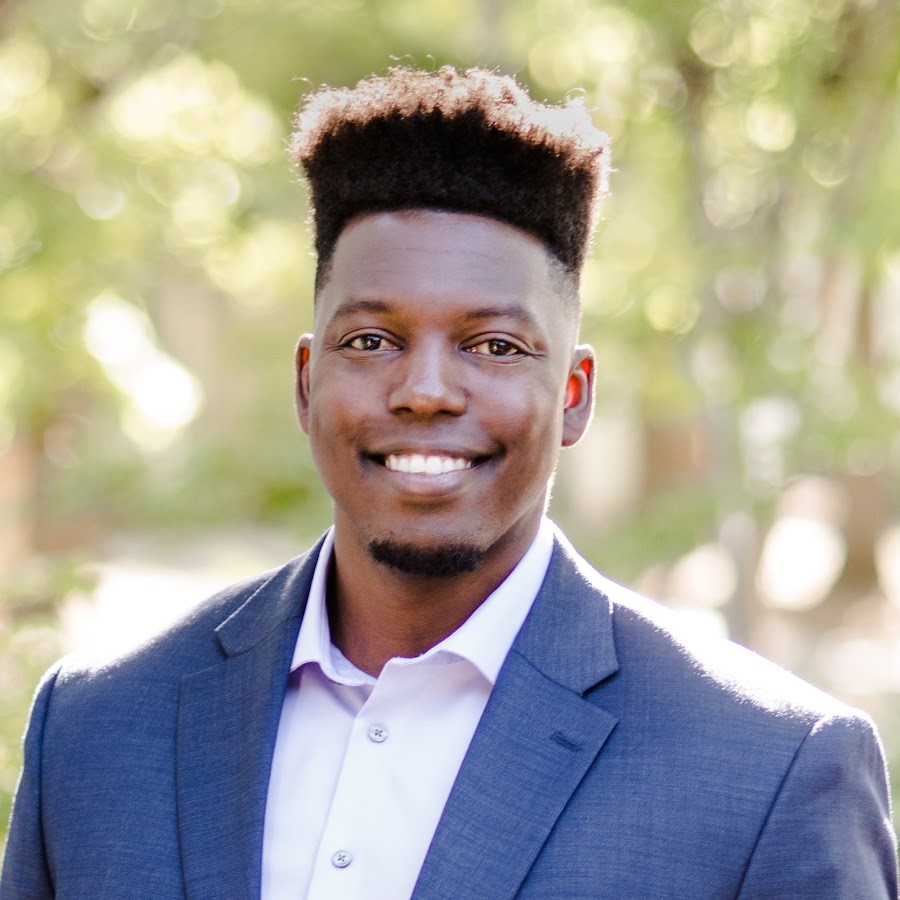
Founder, Sober Living Riches
Andrew Lamb is the founder of Sober Living Riches and a California operator with 18 sober living homes. The company behind those homes grew 891% in three years and ranked No. 7 among real estate companies and No. 395 overall on the 2026 Inc. 5000. A husband and father of five, he taught school and spent over a decade in real estate before opening his first home in a property he'd lined up to flip. He builds and teaches this because a safe, stable home is what lets people rebuild their lives, and Sober Living Riches is how he hands the full playbook to others.
Watch the free training, then book a call to see if it fits.
Watch the Free Training


