Good sober living homes don't run on good intentions alone. They need clear standards, consistent decisions, and an operator who understands that the residents' experience and the business's health are connected.
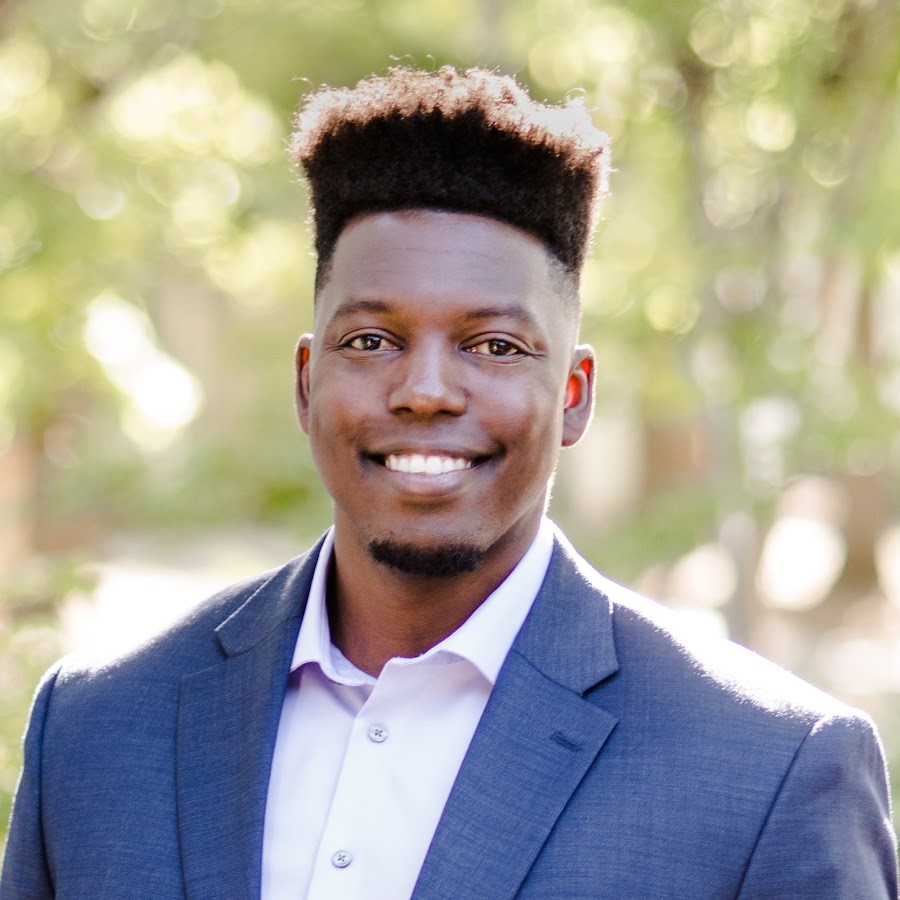
Andrew Lamb joined Ashton Levarek on the Art of Winning Podcast for a long-form conversation about his path into recovery housing, the mistakes that shaped his systems, and the decisions that made the homes more stable. The recording predates several changes in Andrew's business, so this article pulls forward the operating principles that still hold.
Four ideas worth taking from the conversation
- Start with a real needAndrew found sober living by asking how a property could solve a local housing problem, not by forcing a predetermined model onto the house.
- Standards protect the residents and the operatorScreening, house rules, recovery expectations, and a consistent response to problems make the environment safer and more predictable.
- The home should feel like a homeResident dignity matters. Avoiding overcrowding and maintaining a clean, comfortable property can improve retention and referral trust.
- The operator shouldn't be the only systemA business becomes durable when trained people, written processes, and clear responsibilities carry the day-to-day work.
Andrew didn't begin as a recovery-housing expert
One useful part of the conversation is that Andrew doesn't pretend the first home was perfect. He came from real estate and business operations, then had to learn recovery housing through experience. The early problems became the reason he documented intake, resident expectations, management responsibilities, and escalation decisions.
Structure isn't the same as treatment
A housing-only recovery residence can provide accountability, drug-free expectations, peer support, and a stable environment without delivering clinical treatment. Residents may receive therapy, case management, medication support, or outpatient care somewhere else. Keeping that line clear matters for both the resident and the operator.
Relationships fill the home, but reputation keeps it full
Andrew describes building relationships with case managers and community organizations that were already helping people find housing. A referral source may try a home once because a bed is open. Repeated referrals come after the home communicates well, serves the right people, and handles difficult moments responsibly.
The long-term goal is a business that doesn't depend on constant rescue
At the beginning, an operator will be involved. Over time, trained managers, house leaders, documented expectations, and a reliable intake process can reduce the owner's day-to-day role. That transition isn't automatic. It happens because the operation becomes clear enough for other people to run consistently.
Keep reading with current information
how the sober living launch process works, where sober living residents come from, Andrew Lamb's current operating background.
Read the full edited transcript
Recorded 2024-03-19 for the Art of Winning Podcast. This transcript has been lightly edited to correct obvious transcription errors and improve readability. Figures, program details, and regulations reflect the date of the recording. Use the linked guides above for current information.
00:00What's up everyone, welcome back to the art of winning. All right, today we got a good friend of mine and somebody that's absolutely killing it right now in real estate. He's got a really cool strategy that I had never heard of until he brought it up. And now he's actually helping other people get started in this. So I think you guys really like this. His name is Andrew Lamb.
00:21Andrew, thank you so much for joining us today. I think it's going to be fun. Yeah, thanks so much for having me Ashton and excited to chat. Yeah, man. And before we get into what you're doing, can you guys give it? Can you give all the listeners a quick snapshot of who you are, where you're from and what got you to where you are today?
00:39Yeah, I am in Vacaville, California, Northern California, about 25 minutes from Napa. Pretty good spot. Couple hours from Tahoe, right in between Sacramento and San Francisco. So grew up here. My parents are both Air Force, so they met Travis Air Force Base in Fairfield, about 10 minutes away from where I am. And yeah, just got into real estate after college, went pretty close 20 minutes away
01:03to UC Davis. Study of linguistics, but graduated in '09 when there were no jobs. So ended up working one year at a small private school because I had a degree. Little Christian school. And then the next year got married, got out six months in, we were pregnant, and really needed to do something different and make more than 28,000 a year. And so got into real estate.
01:29So that's what I've been doing here locally for, I mean, last 12 years or so since 2011. And I own a brokerage, a Keller Williams office, and got into like flipping and investing back in really like 2020 pretty heavily. And that's what I was doing before I figured out kind of this new thing that I've been doing for about two and a half, three years now, called sober living. That's awesome, man. That's awesome.
02:00How was it getting into first you were a real estate agent? I mean, you're still a real estate agent. Yeah, yeah. Did you say you started that in 2009? No, so 2009 I graduated 2010 got married. So literally 2009, bottom of the economy in the US, I could not find a job. I filled out like 60 applications.
02:24I got one interview and it was in Tiburon, California, which is like deep Bay area, beautiful area, but it was two things. Number one, super far and traffic was terrible. So I did not necessarily want that for my life. I knew it would be torture, commuting, even though it was a good job. And two, it wasn't necessarily like it was something I could be good at. It was a data analytics type of role in a company.
02:55And although that was my personality style at the time, oddly enough, because I was a computer science major initially, then the Olympics, which is completely changed, which we could talk about that too, my personality is completely different today. But it just, it wasn't an alignment with who I thought I wanted to be. And then I had that a couple of times in college where I changed my major because I was like, I don't really want to work in a basement in some server room because that's what IT would at the time, computer science, completely changed.
03:24Now I'm like, yeah, I could have worked for Facebook for 400,000 a year. But it's just, I knew the future me would be upset with the current me if I made that decision. And so I kind of always knew business was a path for me and probably real estate. I would read Rich Dad Poor Dad. My parents did am way growing up. So they always had these books and they were always looking for something entrepreneurial,
03:51like side hustles, Carlton Sheets and all that stuff of like, no money down investing. Like I read all this stuff. I went through the books as like a 12 year old, 13 year old. And I just thought, man, this sounds really cool. Didn't connect the dots until about 2020. But I think it was always in me. But and yet you still got a linguistics.
04:13Yeah. Well, I just love talking to people. I took five years of Spanish kind of middle school and high school, ended up learning French, going to France and going to Europe a few times in my late teens, early twenties. And just knew whatever I did in the future, communication was important to me being able to talk to different people, being able to understand. And I just love words.
04:36So it was a good way for me to travel, to study what I loved. Something that I thought would be useful in the future, even if I didn't get a specific job in linguistics. Yeah. That's really cool. And something you said there, I really like your future self would not forgive you for the decisions, you know, your past self made.
04:56I like that. Because I think a lot of us live, we base our decisions on our past, our present decisions on our past, not on where we want to end up. And that's how we end up. Like you're writing all of it. It's interesting. I mean, I didn't have the best of upbringings.
05:16I guess you kind of find that to be a normal thing among people who are highly successful. But you know, I grew up with a single mom. So just immediately didn't feel like I was wanted. My dad and mom didn't get married, even though they had me before I was born, like they had broken up. And then I had a stepdad who was not the nicest guy and kind of a small man complex. I was bigger than him by the time I was 11 or 12.
05:45And he wasn't physically abusive with me, but he was very verbally abusive. And I just remember growing up thinking like, I have really good examples of what not to be. And I'm in control of who I actually want to be. And I was always thinking about like, well, in the future. And maybe there was a lot of escapism. I was like just trying to get away from home.
06:07But I was always thinking about who the future me would be and how I would be as a dad, how I would be just in general with my wife. And I wanted to be present. My dad was a pilot. So I would visit him occasionally, but he was working all the time, worked 30 years for American Airlines and after the Air Force after seven years flying 141s. And I was really clear on who I wanted to be when I was older, a very future pilot.
06:35Yeah, I think that's powerful. I've heard it before. It's like when you have these things happen to you, it gives you a really good sense of clarity of what you really want out of life. And it goes without saying or maybe goes with saying, maybe it should be said, but it allows you to be appreciative of it too. Yeah, I think you go through that situation and now you know, man, that propelled me to
07:01do this and this and this and then it clear my goals. Because people that haven't really easy, sometimes they're just as miserable, but they don't know where to go. That's true. And I could have spent a lot of time blaming and I probably did a little bit, but I also worked really hard in my early 20s. Part of that was just going to a leadership program and going through some classes and
07:25stuff that really helped me offload a lot of the stuff I was feeling. But also, you know, and I'm a Christian, so even though I didn't feel like I had a father that wanted me, like I have a heavenly father that knew me before I was born. So there's a big shift in identity there when I really tapped into that when I was probably like 2007. So I was 21 when I really dug into that. My mom was a pastor and it was always like she was dragging me to church growing up.
07:53It was never really my decision until about 2021 after I had traveled the world and realized what I was looking for was like right here. I didn't need to find it out there. It was like inside. Yeah. Yeah, that's powerful, man. All right, so walk us through.
08:09So you got into real estate, became a real estate agent. How did you end up with your own brokerage and then doing flips and walk us through the progression and that? Yeah. So 2011, I get into real estate, wasn't easy. Everything was pretty terrible. Short sales for closures, long processes, still sold at home my first 30 days and sold,
08:29I don't know, four or five the next year or so. 2012 hit, all the banks were getting in lawsuits for illegally foreclosing on people. They called it kind of like a robo signature. Like they were just stamping paperwork and knocking stuff out instead of actually reviewing and checking numbers, all that stuff. And so it was really tough, 2012, when all the foreclosures were taken off the market, the few short sales that were up weren't really moving.
08:58Like a short sale is anything but short to nine, 12 months sometimes. And so I had to get a second job and ended up doing like content management and social media management for our conference and visitors bureau locally, kind of for our city to get tourism and stuff. So really just kind of tried to figure out how to make it work. So it wasn't easy. But while working that job, I got a referral and I sold somebody, I remember this because
09:29it's impossible to find out, but I sold somebody like $156,000 home in a senior area and made more with that one check than I would have in two or three months in my job and realized what the heck am I doing? I need to like control my own destiny. I also happened to read the four hour work week at that time and I like four hour work week to my way out of that job and automated some processes got myself to like just 20 hours a week in the office and did real estate outside of that and built my business.
10:07And by the following year, I had sold, I think it was 24 homes and was like one of the top agents in my office and like eight, seven or eight of those closing one month. And the next month I quit my job. That's great. Like I made more in that month than I would have made in two years in that job. So I was like, okay, it's a real estate for me. And then from there ended up getting on stages talking, you know, kind of in front of hundreds
10:33of real estate agents on how I was able to do that. And yeah, 2016, I realized I wanted to build a team, no, a little bit sooner than that, 2014, 2015, because I couldn't sell anymore homes. I mean, I was selling six, seven homes a month at that point and had a wife and small children, but was out all the time showing homes all weekend, all weekend gone, evenings gone, listing houses showing buyers and realized I needed help. So I was trying to find a buyer's agents to work on my team, admin support and the office
11:16I was at just didn't have it. They didn't have the training on it. They didn't help me at all. And the people that I found out didn't know what they were doing and would just help me. And I could call them up and be like, hey, I see you that you're doing like this thing. Can you help me with it? They're like, yeah, what's your email?
11:30They would literally send me everything they had for free. And those were Keller Williams agents. And so I was like, I need a Keller Williams office and there wasn't one in my area. So I start calling around asking like for the regional director and saying, I want to bring this to my area. How do I do it? Didn't get a call back, but by just being a top agent and talking to people about it,
11:52ended up connecting with the title company, a regional manager who was like, I've heard of someone else wanting to do this. He got us together and literally it was like, match made in heaven. I remember meeting one guy from Seattle. He came down. We met for coffee and it was like 15 minutes. Yeah, we're going to be partners.
12:11This is what we're doing. That's all it took. And I went through that process. You can't just buy a Keller Williams franchise like you can any other Century 21 remax. You just pay 25 grand, they give you the paperwork. Good luck with Keller Williams. Not like a Chick-fil-A.
12:26You get awarded a franchise. There's a lot of work you have to do ahead of time to prove that you're going to be successful, that you can recruit all the stuff. So we laid that groundwork and then yeah, 2016 we launched our office here. That's awesome. I like that. I think a lot of people, you know, they have an idea of what they want to do.
12:46They know what they want to do. They don't actually start asking around and you did that. And that's why it happens, right? You started looking for the who's instead of that. How can I do this on my own? And that's how that stuff happens. All right, so how did you get into flipping then?
13:02I mean, I hear. Yeah. So I mean, a lot of real estate agents don't flip, right? True. It's the saddest thing. And Gary Keller talks about this a lot. He's been a huge influence on me.
13:12But a lot of real estate agents go through life just collecting this tiny percentage, right? Two and a half, three percent for helping other people transfer real estate instead of even though it's in front of us every single day, opportunities in front of us all the time, we choose just, hey, let me just get that commission instead of thinking bigger picture. Let me get some of the profit.
13:36Let me buy this myself. So I just changed my perspective from every opportunity is a three percent commission to now every opportunity is I could buy this. I could own the real estate. And so I had somebody who was like 90 years old, two story home, hoarder. I had helped his son-in-law and daughter buy a home. They referred me to that and they just couldn't get anything done every time they'd go to
14:03throw something away because the wife had died. He didn't want to throw it away. He would go right behind him and be like, nope, I'm keeping that. No, I'm keeping that. And they're still like late 50s, early 60s still working. They only have weekends to try to clear out this house and it's just not going anywhere. And so I'm like, do you guys think you can even get it ready to sell?
14:21Like he needed to get out of that house. It was too big for him. Couldn't handle the stairs. All the bedrooms are upstairs. And they're like, no, we don't think we can. So it's like, okay, here's the options. We could bring in an investor and they'll take care of everything.
14:35You just take what you want. We'll use the cash, help them buy a property close to you guys and then whatever the investor is going to do with the house, he'll do. And so I brought it to somebody as a buyer who ended up being a great partner and a coach of mine living forward. And yeah, he bought it. I didn't take any commission on the front end just to make the deal work.
14:57And I got to split the profits on the back end instead of just listing it. And so that was my first foray into like, I have all the leverage. I'm bringing the deal. All I need to do is say, hey, I want 50% of the profit on the back end instead of taking a commission up front. And it was far bigger than what my commission would have been. And that just made me think, you know, why I've been burned before by investors and they
15:21you know, a lot of investors are newbies. They go to fortune builders, you know, seminar and spend 25 grand and get a little buy box and think they're investors. And I would work so hard to bring them deals and then they wouldn't close on it. They'd get scared, they'd get cold feet, they couldn't line up financing, whatever. And so I just was like, man, I'm just going to buy these from now on. I know it's a good deal.
15:42I just need to find the financing and figure that out. So after watching this guy run the whole project on the flip and then I listed on the back end, I get commission there, but also I get a percentage of profit. We split it 50 50. I'm like, that was the fastest, probably 25 grand I've ever made. I didn't do anything. And then come to find out that investor also didn't do anything.
16:06His contractor did everything. His contractor already knew, you know, fixtures, materials, all that stuff because they had done it so many times and it was very systemized. So we're just like, hey, yeah, we're going to knock this out. It'll be done. And the investor had like a small percentage of mine already stake in the construction company.
16:25And so I'm like, oh my gosh, my mind is one. I'm just watching this. And so moving forward, that's just the way I ran all of my flips. So the following year, because that was 2019, the following year 2020, I have 14 deals in escrow, March of 2020, shelter in place happens, COVID, real estate is not essential. All those 14 deals, over 100,000 in commission, I'm like, I don't know if it's going to close and I got mouths to feed.
16:51Yeah. Like lending is changing because of all these things happening. Like non-cuum loans are going away, which just meant it, people had to shuffle and figure things out. Thankfully, we got all of them closed. They all closed within about 90 days. So a 30-day escrow still turned into a three-month process, but we got it done.
17:08But I was like, I got to get in control of my own destiny. And so I joined a mentorship. I would just found something where I could jump on Zooms because we couldn't go outside. I joined the mentorship, started learning about creative finance, about flipping about wholesaling. And by the end of that year, we probably did two or three flips by ourselves. And that first one we did, I think we bought it at 375, put 25 into it, maybe less, and
17:37made $60,000 in 90 days from purchase to like, sale to the end buyer. That's a 100% return on investment. And I didn't use any of my own money. That's brilliant. I had a private lender that I met trying to wholesale on my deal, and he was like, hey, we're actually lending more. I don't think we want to buy this.
17:55And I said, well, tell me more about that, which I'd say to everybody. If they say something and I'm like, that's interesting. I just say, tell me more about that. And then they expound. And he said, yeah, usually the terms are 100% of the purchase and 100% of the renovation, as long as it's a really good deal. 75% of A or V, that kind of thing.
18:16Well, then I'll buy the deal. You can be the lender. And he went on to fund most of our purchases moving forward. So it was a great relationship still to this day. We just had lunch a couple weeks ago. And we just went out and started buying stuff. Now I transitioned because flipping is like real estate.
18:36You got to go out and every time you're done with a deal, right, escrow closes, you got to look for the next deal. You're constantly on the hunt. It's a hamster wheel. And I realized I want to set up a legacy. I need mailbox money. Like I got to have some cash coming in.
18:51So early 2021, we had made all this money like 20, 20-ish old, personally, 31 homes. So like $1.5 million in income, basically, in Northern California, high price homes. And I needed to figure out, what am I going to do with all this cash? I didn't necessarily need to use all my cash because I had the lender, a great partner. But what I learned was I had the confidence because I had a cushion to now go out and just like, just go for it. And rates were under 3%.
19:20And I was like, I need to hold on to these properties. I shouldn't be flipping anymore. So I had one contract and one that I was actively working on. And I was like, there's got to be a way for me to hold these. And there's got to be a way for me to help people provide more value. I believe that we get paid in proportion to the value we provide. Yes.
19:39Help others. Yeah. There's a lot more people provide a lot more value. Maybe I'll make a lot more in return. But I'm also just going to feel a lot better. I went and whatever I was doing to have impact on the community. And so I called up my local shelter and was like, hey, do you have any use for a single
19:53family home? And I got lucky. You can't do that without a shelter and get a good answer because some people will say absolutely not. Yeah. But the director of this shelter happened to be the committee chair for something called housing first, which is a HUD organization of getting people off the street from homelessness
20:10to house because you can't get services without having an address. And so once they get housed, they have an address now they can like apply for stuff like the county or wherever they are, get some help. She introduced me. She told me all about sober living environments, sober living homes or recovery residences, introduced me to everyone I needed to know locally. And I was like, okay, I'm going to convert this current clip I'm working on into this.
20:35So it's going to be a gorgeous house dialed in luxury vinyl, playing floors, brand new bathroom, kitchen, all that stuff, quartz countertops. And then I have this other one in contract. I'll just do the same thing there. And so we launched one March of 2021, filled it up within about 60 days, launched the next one two months later, filled that one up within about 60 days. I ended up getting five of these in 2021.
21:01All burn strategy, all like fixers, minor rehab is cosmetic kind of stuff. But I mean, it was also a great time to buy it. The rates were low. We buy it, do the work in about six weeks, refinance four months later. And yeah, just it worked out into something far more beneficial than I ever imagined for myself, but also for my community. Because today we house roughly 60 people, men, women and children in seven locations,
21:30but we just got our eighth a few months ago and we're finishing up some work there. That'll be our eighth sober living home. That's amazing. And so, all right. So there's a couple things I want to ask about that. So you're talking about the burn strategy. When you're refinancing, so the burr for people that like I don't talk about strictly
21:48real estate on this podcast, so some people may not understand this stuff yet. But the burr strategy, you're buying it with other people's money. You were raising the value to a certain amount, it's got to be like over 75% ARV and then you can refinance it right after repair value, then you can refinance it. When you refinancing, is there a special type of loan for these or this just a residential loan? So the birth to it was pretty easy because our debt to income ratio was low and we had
22:14good income and all of that. So it was pretty easy to just get conventional loans on that in our personal name. Pretty soon we could no longer do that because now we don't have a history, right? We get hit with the mortgage on our credit. So that hurts our debt to income ratio, but there's no income we can count yet because these are transitional houses, no long-term leases, like traditional banks and lenders did not like it.
22:39Yeah, that was a good, I was going to ask that nice too. So it was easy early on because we had just finished up the work and we could say we were going to just rent by the room, which technically is all we're doing. We don't do any kind of licensed activities or treatment work in the homes. That's after a couple of those now the numbers just didn't work that to income wise. And so we had to switch products and there's a product called a debt service coverage ratio loan at DSCR and that just uses the property itself and your FICO, but none of your own
23:12tax returns income or anything like that. So we were able to then get DSCR loans on the next few, which had slightly higher interest rates, but it still made sense because we cash flow like crazy with sober living homes. And you cash flow so well because you're renting by the room is what you said, right? Yeah, in fact, so just an example, right? Let's call it a, well, I have a great example. So the first time I bought in 2017, my family lived in.
23:43We had two daughters at the time, but then we got pregnant again and I thought my mom and my grandmother were going to move in with us because they had dementia and just some different stuff going on, health issues. So we moved a year later, 2018, turned that first home into a rental and rented it out to some Air Force guys, always paid a day early because they have a housing allowance. It was great, but we converted it once they moved on to a sober living home. So we went from making 600 a month in cash flow as a long-term rental, which isn't bad
24:15at all for a long-term rental. That's great. Things like getting consistent, like they were the best tenants, but as a sober living home, we turned that into a women and children's home. We rented by the bed and we turned that cash flow from 600 to $6,000 a month, one house. So that's after expenses. After expenses.
24:37Yeah, top line, we're like 9,000. Yeah. So you were by the bed and we have two to a room. And so with shared rooms, shared housing, now 1,000 to 1,200 a bed, one bedrooms make it $2,400. Yeah. And we get to help people who really need it.
25:00Literally, we had people who were living in their car and now they come in with us and we get paid really well through the county. They get grant funds. It's not taxpayer money. It's grants. I'm not sure how that works actually. It might be tax-fairy money, I don't know.
25:15But I know it's grant funded. I just don't know where that money comes from. I don't know who's donating to California. But yeah, they handle everything as far as outpatient treatment, case management, additional supports and stuff. We just provide housing, pay for utilities, provide internet, some cleaning supplies and make sure that it stays sober.
25:34So we drug test people when they move in. Okay. How much of this are you actually doing? Early on drug testing. Yeah. Early on it was me. Yeah.
25:46I was just diving headfirst into this. I banged my head against the wall many times, made a lot of mistakes for six or seven months. So I was doing everything. I was literally at the two houses I started every single day because they were really close to my home. So I could actually walk there. I was doing a 75 hard at the time, had to do an outdoor workout.
26:03So I would just use that to go around to my homes and check in. I was like, well, just double down. And so that was good. But I didn't know what questions to ask. I was new to everything. I didn't know all the lingo. And so we had people move in who weren't that great.
26:20So it was a lot of like heavy management. But you still get to screen. You still get to screen your tenants. You do get to screen. I just didn't know what questions to ask. I didn't know how to screen, right? It was all new to me.
26:32I did not have a background in recovery. I never even knew this need was here in my area. Because a lot of people aren't just on a cardboard box somewhere. They're what's called marginally unhoused. They're living in their car. They're couch serving. They'll spend a few days on someone's couch, then get kicked out, and then they'll have
26:52to be in their car for a night. And then they're on someone else's couch bouncing between family and my boyfriend's. And so you don't see it, but the need was big. And so that's how I started five homes in one year. Now we have six in one city and they stay full. So the management piece was pretty heavy early on. I learned later like, oh, if I just treat this like I treated in my real estate business,
27:18if I just put some systems and set some expectations and do this the right way, now I don't need to be at the house every day. I can install cameras. I can have a keypad instead of dealing with keys. I can have somebody get a code after they fill out our paperwork. We digitized it. So just between software and like tracking our phone calls and all that stuff, sending
27:38out marketing emails, running it like a business. Now 90% of my headaches went away. We stayed full. We got paid on time. It wasn't a hassle. And I got to make sure like, is this somebody who's coming from a residential treatment facility and it's been 90 days clean?
27:54Or is this somebody who just got out of prison? And no one's even checked on them to see like what's in their system. And it's a toss up on if they're going to do what they need to do or if they're going to turn my house into a prison cell and try to treat it like they're still inside. And so you just learn like how to do this the right way. And now it's I have a manager. I spend, I don't have to spend any time I like to go by and I like to talk real estate
28:19and I like to give hope and vision because I'm younger. So I mean, I'm older than I look, but when I walk in people think if they don't know me already, they think I'm moving in. They think I'm just I'm trying to like stay in a sober living home and they don't realize on the owner. And then we start talking like, Oh, wait, what? I didn't think it was it would be you and you have how many houses and how did that work
28:39out? So we start to talk and they get vision and hope for the future and yeah, that part's really fun. That is cool. Yeah, then you know, I've contemplated this quite a bit because and I'm going to steer back into the conversation. But I think it's an interesting thing when you give back to people.
28:56It is very I don't want to sound like, I don't know, uppity or anything, but it does feel really good because at some level, I think you're giving back to yourself. You know, you're teaching humanity. You're inspiring other humans, which is a reflection of yourself at some other level, right? And yeah, I think it's just is a cool thing. I didn't know you were doing that.
29:20That's awesome. Yeah, it's really fun. We've had some guys who were like, yeah, I really want to get into real estate. So I'd, Kelly Williams has like a kind of a no cost real estate school. So I'd give them the books for free and they'd start, you know, going through that process. So it's been cool to help people out. We do help a lot with job placements too and just, you know, connecting people in the community.
29:40But it's just been awesome to see. Like we have a lady who just got reunified with her daughter. So she's like, been clean and sober for several months now. She started off with small visits and now inside of her woman and children. So it has full custody of her daughter again. And to see that and to be a part of that is awesome. We've housed somebody who was living in her car with four boys.
30:00And then we got to, because we bought a property with like three units, there's a two-minute one-bath unit in the back, they got to just stay in that unit and for about a year and get on their feet. And so it's cool. And we're probably the only ones that even allow for single parents like that, especially with multiple children. But it's been really, well, somebody who was raised by a single mom to be able to provide
30:20to single moms and single dads. We've even had a dad who, same thing, they were living in a motel about to get kicked out because the vouchers run out. They only get 14 days of vouchers from our county. And we got them into another program and housed him and his three daughters in the master bedroom of one of our larger homes that I moved from. And so it's just cool to be able to do that.
30:38Yeah, that's amazing. So what is, there must be some qualification process. You can't just, I mean, are you just taking this home? Like, hey, I got this home and take it to the county. Like, hey, I'd like to offer it up as a-- Yeah. So here's what's crazy.
30:54Most states have zero requirements around licensing or certification. So there's like no barrier, barrier entry. Not only that, you're protected because you're not doing any kind of licensed services. You're not doing treatment. You're not doing anything like that. So you're protected by fair housing loss because you're just providing affordable housing. And they are a protected class.
31:14So if they are in recovery, it's been considered a mental health disorder now, substance use disorder. It's a disease. And it's a chronic disease. You're never over it. You're always in recovery once you're addicted to something like that. And so whether it's opioids or methamphetamines or alcohol, it's all treated as substance
31:34use disorder. And the county, the city, HOA's can't even come and shut you down. And so it was really easy for us to start. I just got connected with the right people, raised my hand, said, hey, we're going to be providing these beds. What do you need? They would do a walkthrough.
31:50We would furnish-- we'd furnish for like $3,000, $4,000. It's not like an Airbnb 2030 grand. It doesn't need to stand out. It just needs to house people and be durable. And so yeah, there's not much period of entry at all. In fact, I teach this now and most of my students can get a home up and running within and full within 90 days.
32:09That's incredible. That's incredible. Yeah. And what about-- like, how long are people staying there? So if they're written by the room, how long-- you said there's no lease. So then how long is that up in the air? Yeah.
32:24It's pretty open-ended with us. There's some programs. And what I teach is how to connect with local programs, right? Like I did. So instead of having people just pay out of pocket because they could barely afford-- you know, forgetting $900 from Social Security, you can't afford more than like $600 a month for a room and pay your cell phone, which-- and the US Obama made it possible for everyone
32:45to have a cell phone. It's like an activity as a human, right? So you can get a free phone. But if you were like-- a lot of the times your credit shot, and so your car insurance, which is based on your FICO score, most people don't know that, that's why they ask for your social, your car insurance to be extremely high, you know, all these other expenses, right?
33:06And so I like working with the county or local government programs because they'll have a budget for this. They'll provide the case management. It's that third party level of support. They do all the licensed services. And then we just do the housing part. So we become like this partner.
33:19And pretty quickly after our second or third home, we became like the go-to place for most of our county programs. And so when you do that, you don't have to chase people down for money. And they're okay with us using our license agreement. So it's-- they don't have tenant rights. They're not-- it's not a lease. They have a license to a bed, and they have rules to follow.
33:38And so we have house rules. We're very clear. No drugs. No weapons. We have a curfew. So all of this stuff comes into play. And I've had, even in California, the few times we've had somebody dig their heels in
33:51and say, well, I'm not leaving either because they were too drunk or high or they're just ridiculous. The police have come in and they've enforced it because it's very clear. This is not a lease. Yeah. So they'll take someone out for trespassing. It's rare.
34:05If you set up the proper expectations up front, and most people who live in homes like this understand the process, like honestly, if they break a rule or if they relapse and they choose not to go to detox and get through withdrawals and all that stuff, they got to move out. We have to protect the safety and the sobriety of the home. That brings up a good point because California does have some pretty tenant-friendly laws. In fact, I saw one the other day.
34:28I'm not sure if you saw this. It was like an Airbnb. And the person that's staying there has refused to leave for almost like 18 months. And not only that, like they're demanding that the person pay them $100,000 in relocation fees. Yeah. So some of that is just, some of that is LA County.
34:45LA is just already in the morning. But some of that is also California and Airbnb being crazy because they're not taking this person out. And I think that person even tried to sublet and let other people Airbnb and they're making money out. Like it's, how does that happen? We don't have that issue.
35:04Yeah. Not at all. At least. Exactly. Well, yeah, that's, that's crazy. And probably because also these people understand that, you know, they're, they're trying to reintegrate at some level, right?
35:16They're trying to get back to the society and be a part of this. Yeah. I don't think I answered that question. So the county programs that we have, one of them is a subsidy program. It's nine months. That's it. So three to six months, it'll be 100% paid for.
35:29But after that, then the client themselves, the resident needs to pay like 30% towards their monthly contribution. And then after that, it goes to 50% and then the program's over. So typically we see people stay somewhere between like nine and 16 months. Okay. Or just call it a year. And that's how long people really need to save up work, like making up to actually make
35:52sense and get an apartment. Because you think of like how much rent has gone up the last few years in my area. I remember when I got married, we were in an apartment for $925, two bed, one bath apartment. That same apartment today is like $2,100, maybe more. And so someone working minimum wage or they have a felony, they're trying to just like work swing shift or night shift somewhere. They can't afford an apartment on their own.
36:17They don't make three times the rent to be able to qualify for that apartment. So they're with us for a long time to be able to save up enough first month, last month, all that stuff. And then fixed stuff, fix their credit. And maybe even, I mean, if they're moving out, they're probably going to some kind of income based apartment, which we have connections with now too. And then we created kind of a phase two where if they did really well in our sober living
36:42homes, they can move into this other kind of home that's like just a private room instead of sharing a room. And we'll give them a good reference. They're actually paying like monthly rent. So it's a stepping stone. Yeah. That's really cool.
36:58That is such a cool model, man. And this stuff is available in every state you're saying? It's about every state. There's only three that require license, which would be Arizona, Utah, and New Jersey. But it's actually what they call a license is, I mean, it's for a structured sober living home, meaning that there's a house manager, there's rules, there's all that stuff. If it's peer led, if there's no house manager that's living, you're not paying anybody to
37:21be there, honestly, you can still do it on license because again, you're just renting by the room. But if you're providing, usually they have criteria. If you're providing house rules, you're drug testing people, making sure they stay sober and a manager and one other thing. You're connecting them with resources. Now it's considered structured sober living and you have to go through the licensing process.
37:41But everywhere else, it's the Wild West. So you hear good things and you hear bad things. In Arizona, although they require a license, the FBI just shut down about 70 homes for insurance fraud. They were actively getting people from reservations. They didn't Americans from reservations, keeping them on drugs so that they can build insurance.
38:01It's like seven grand a month you can charge Medicaid. It was insane. So when you hear about sober living, there's the dark side that is always in the news. I try to do it the right way and try to help people understand there's ethics behind this. There's also an organization called the National Alliance of Recovery Residences in ARR and they're all about this too. So they're starting to pop up in multiple states and they have a really strong lobbying arm.
38:30So they're going, it just happened in Washington. It happened in Texas. In order to get any kind of state funds, you have to go through their certification process. It's really simple. We now teach how to easily go through that. It's like 500 bucks a year. But there's a code of ethics.
38:45And so I'm a big proponent of doing things ethically, treating people, not just packing them into a room. That's why we do two tour room. I know people that do bunk beds, four tour room. I just think that's ridiculous. You're going to have higher turnover. You know, people are going to have PTSD from prison or jail.
39:00It's just, it's not a good solution. Yeah. So, and you said there's certain types too. Do you get to make designate that then? Because you said you have one that's just waiting in children. One is, you also mentioned people getting out of prison. And when you say sober, I think drugs and alcohol, but obviously there's other.
39:18Yeah, but I think it is drugs and alcohol and people in prison still have access to all kinds of craziness. And so when they come out, you're helping with reentry or at least like you're providing them a safe, clean, sober space. They're getting additional help from a parole agent, maybe a case manager. If they were on drugs, they're going to outpatient programs. Because we do get a lot of people who come out and they're like, literally they're asking
39:43their roommate, like, where can I get meth? Where can I get whatever? And thankfully, if you have the right people, like they'll tell you what's up. And they'll be like, hey, this guy just asked me for the stuff. And so I do always have some residents who are like our eyes and ears and let us know what's going on. Because it's to protect the safety of the house.
40:01They don't want to end up back where they were before. But yeah, we get some reentry programs and I'm hoping I'm answering the question here. Well, I'm kind of asking, like, how do you classify which house is going to be wished? Do we get to do that? The county does that. So we do that. In the right of the house, how we want to run the house, all that stuff.
40:26We consider our rates for the most part. There's one program that's like kind of weird, but any other program that's ever done housing before, like they let you set the rate and there's very little paperwork, honestly, which is crazy. But what I like to do is just a ton of market research and I ask a ton of questions. And I'm asking what population needs housing the most? What areas needed the most?
40:52If I provide that for you, can you ensure like do you have enough lead flow? Do you have enough people that actually can fill that house and keep it full? And so our first two homes were homes for single men in a city that really needed homes. There was only one other. And because for some reason, well, we have a bad area of our county, Vallejo, California, where E40 is from, like that you made it famous. But they've in 2008 or nine, the city went bankrupt.
41:21They haven't been able to keep cops for a really long time, lots of gang violence and lots of drugs and prostitution. And so it's an area that's highly served by homes like this, but the opposite side of the county where I am, I had like nothing, even though there was still need here. And so that's why I've built out so many homes here. So just asking those questions, where's the need? What population needs help?
41:41So my first two homes were single male homes here. My third home was a women and children's home in Vallejo. And it filled up immediately, but that only lasted about 18 months. Then for some reason we stopped getting women and children referrals. So we converted it to a male home. Just because as people moved out, we weren't replacing them with women and children. Part of that is because we also opened a women and children's home in my area in Vacaville.
42:06The people didn't want to stay in the bad area in Vallejo. So now they're moving over here. So it's like, I kind of cannibalize my own home over here. So now let's a male home. And so we just keep asking that question. And so our eighth one, our probation department came to us and said, Hey, you open homes. Can you open one for like 18 to 25 year olds, kind of that age without foster care?
42:29And so that's why we bought that home. And we said, yes, and like, here you go. And so it's just that partnership of like, what do you guys need? We'll fill it. Because if you do that, if you ask those questions, you provide that value, why would they think of anyone else? Like I'm the first phone call because this is what we do.
42:45Yeah. And they know they're working with so much other stuff in the system, obviously. They don't have time to be at themselves. So yeah, go to the real estate guy. Don't hate us. True. But it also, I mean, it helps to differentiate yourself.
42:59And most people aren't running it like a business. Most people don't have more than one home. And a lot of them live in the home and the rules change every day. Perphy changes, they get mad at somebody. They're micromanaging. Like it's just not a great environment. So there's a lot of turnover.
43:12We get a lot of people who move from that type of environment into our homes that are more independent. Because we don't have a live in house managers. But I do have a house manager. I have substance use disorder counselors, like they're certified by the state and they can do the work. They just stop by every single day to all of the homes.
43:29They don't live inside of an individual house. But yeah, we just maintain that relationship. And if you do that, I just found this out. There's 150 homes like mine, transitional housing designated homes in my county of close to half a million people. We house 20% of all of the clients in our seven homes. And so we just built that relationship.
43:58We're really easy to get a hold of. We have a phone system to where somebody calls and they don't get my house manager than it rings me. We're always answering, even if it's 4.30 on a Friday and they got to get this person house before the weekend. We just make life easy for the people referring folks to us. And that's it.
44:16They know if they call us, we always have a bed somewhere. For full, I'm come by in another house so I can provide more beds. That's a really cool strategy, man. I really like it. It makes me want to look into this as well. What's something I haven't asked that you think people should know about this? What's something that comes up a lot with your students, maybe?
44:38Isn't that easy? It is that easy. It is that easy. If you just follow the process, right? If you have a system and a process and standards, which is like what we provide now, I wish I had that when I started. But also, I think there's, you got to be the right personality style or the right fit for
44:56this population. I truly care about people. And I know their stories and I'm not just on the land grab to shove people into homes. If you ask me about anyone in our houses, I know their background. I know what they're trying to work on with their kids, their recovery goals. Even though I'm not in the day to day, I still try to take the time to find that out because that's what I'm doing this for.
45:22The money is great. It's insane. You can make $10,000 to $12,000 hotline in a four bedroom to bath house. It's insane. And then many of those homes have interest rates below 4%. So my total cost, including my house manager, is probably $3,500 a month. So we're cash flowing, $6,000, $8,000 per house.
45:47So the numbers aren't insane. But you got to be able to just listen to people's stories and actually have a heart for it. We don't kick people out of their relapse. We give them a chance to go to detox, get through their withdrawals, maybe get some medically assisted treatment. 10 days later, they can come back.
46:037 to 10 days later. Once they're through their withdrawals, we'll hold their bed. Their program will continue to pay for their bed. Usually, you hear about sober living homes and it says, "Soon as there's a relapse, which is like 60 plus percent of people, and recovery relapse," then they're kicked out in their homeless again. We don't do that.
46:18Forgiving people that second chance. And a lot of times, if you do that up front, now they never go back to detox. They stay clean and 12 months later, they're moving into an apartment. We've seen it over and over again. That's really cool. I didn't know you. So you pay the house manager?
46:32I have one house manager, well, two house managers now, but I do pay them in like 25, 30 bucks an hour, like commensurate with whatever the going rate is for somebody who has five years of experience and substance use disorder counseling. I learned six, seven months in. I needed somebody who, number one, understood what people were going through better. Because I was like, "Man, you actually chose not to go to detox and to like, we're on your way there.
47:00We had this guy." So this is a funny story. He walks in to the kitchen. So I walk into the kitchen of my first house. There's a puddle on the ground. And I'm thinking it's been raining. Do we have a leak?
47:13I don't see anything on the ceiling. But thankfully I'd put in these cameras. So I put cameras in the living spaces as well as all around the outside. You're allowed to do that. You can't do it in the bedrooms or the bathrooms. But in the common spaces for sure. And so I have one in the kitchen looking at the pantry because that's where everyone's
47:31stores their food, just keeping people on it. Don't steal food. You'll be on camera. It's proactive. But I go back and I review the footage and the students stumbles into the kitchen, pulls down his shorts, pees on the floor. I can't unsee that now.
47:46I had to have a conversation with him like, hey, clearly you were drunk. What's going on? He's crying in this conversation. Well, first he's too drunk. He's like laying in bed. I'm like, you gotta sleep this off. I come back, take his car keys.
48:01I come back. He's sober and he's crying. Like, I don't want to do this. I don't know why I keep making this mistake. Sort of like, well, you need to go to detox. He's already like, can't see his wife and kids who live in another city. Yeah.
48:13He's like, okay, I'm going to go. I found out later he, although he got in, he secured a bed, he's down the street. He doesn't make it in. He pulled into a 7-11, grabbed a couple of 40s. People found him unconscious in his car after just downing a couple of 40s. And like, man, he ended up going to the hospital, but then like, he just moved his stuff out. He didn't even go to detox.
48:37He had a space. He would have kept it, but he just made a choice, right? So that's the sad part. They still deal with the negative sides of people who are making bad choices. They're not ready. They haven't hit rock bottom yet. And so that's the heart-wrenching part.
48:53So if you're going to get into this and not have a manager, just understand that the first 90 days, it's probably going to be you and you're going to hear all this stuff. And if you've never been in this world, you're going to hear a lot, see a lot. That's just going to break your heart. And so I ended up bringing in people who like could handle that better than me. And also I'm too nice. I'll give people too many chances.
49:13And so I need somebody who could come in and give them tough love. They're like, I will support you. I will fight for you, but you got to do what you're going to do, like what you need to do. And, you know, publicly, you're my boy. I'm fighting for you in here. If you're not doing what you need to do, like my manager, she's like, I'm going to
49:30be like your mama. I'm going to support you out there. I'm going to kick your butt in here and make sure you do what you need to do. And so she's been great. That's awesome. I like that. She probably has training experience and that makes sense.
49:43Yeah, literally 10,000 plus hours. Like to get these certifications, you have to log your time and like supervise work hours. She was new. That's for well over five years. So many counseling sessions, like she's solid. Yeah. Yeah, that's what would worry me a lot too is having to deal with that.
50:00Not knowing how to deal with it without, you know, the right way, right? Like I'm not trying to ruin somebody's life, but at the same time, like I'm not trying to ruin my house either. Or the time I work at Alice, you know. 95% of these guys and girls, they're good. They're solid. You get a little bit of riffraff every once in a while, but it's easy, especially with
50:17the third party stuff like called the case manager. We had a guy with an AK-47 once. No, it was an AR-15. He tried to sneak it behind his back. 42 year old gang banger. Thought he was a cool guy, right? He's like an H-back technician.
50:30But he didn't find out he had just robbed somebody in Sacramento. Like another gang guy, the rival gang, comes back to the house, trying to hide out. I see this all on the ring cameras. And he's like, "Don't realize." Like they pick up audio too. I can hear him talking about it. And I just send it to his PO three days later, the sheriff's come in, take him away, find
50:56the gun, all that stuff. But it's like, really? And so occasionally we'll see a gun, but like nothing's ever happened in our homes. And honestly, the gang bangers, the bad guys, they understand the service we're providing. We're providing a place for people to land safely out, come in at a jail or whatever. They're actually more upset that their guy did something stupid and brought bad attention to them than us.
51:22And so like we kind of have this weird layer of protection from the bad element because we're providing a service. We're helping people out. There's like a code. But come to find out, you learn all this stuff where things come just like this. Yeah. Well, I mean, it makes sense.
51:38You're not just helping one guy. You're helping a bunch of people out. And they don't want to lose that opportunity too, at least some of them. So yeah, that's amazing, man. I love it. That's really cool. You have any plans to do any other counties, any other states?
51:54Yeah. Working on a partnership right now, people keep coming to me like, "Hey, I have this property here. Lots of people with vacant units right now. It's crazy." Three or four vacant homes. And they're like, "Hey, we just finished up renovations.
52:06We'd love for you to run this and partner with us. They just want to be a landlord, buy more property, and have us come in and operate." And so that's always a possibility. We have to look at it like a franchise. Who's the partner? What's the location? Figure all that stuff out, run the numbers.
52:20But we have that happening in a couple of places right now. One in Massachusetts, one in Alabama. Yeah. Yeah. That's awesome, man. Really cool. Yeah.
52:30All right. Well, we're getting to the top of the hour. I'm going to shift. I got final four questions for you, and then we'll kind of, we'll round it out. But so this has been an amazing conversation. But the first question I always ask guys is, "What is one thing you've implemented in your business over your career, maybe in the sober living, maybe in your brokerage,
52:49as a real estate agent, whatever? What is one thing you've really implemented that has been completely, absolutely pivotal for your success over the years? One thing, if people had to focus on one thing, what would you give them? Gosh. And it doesn't sound tactical, but it is. It's, and you mentioned it earlier, it's who not how.
53:12It's fine. The who, like early on, even in real estate, I was like, "Who's doing this at a high level that I can learn from outside of my area? I didn't want to just sell three homes a year like everyone else in my office. I wanted to sell like 30. I wanted to sell hundreds." So I found the people who were doing that, and I got into, I figured out a way to get
53:29into that community of that network. When it came to real estate investing, I got into a community where everyone was talking about wins, and I realized pretty quickly like, "Oh, nothing special. They're not smarter than me. They're not more talented. They're just getting knowledge and applying it, taking action." That's all it took.
53:47Same thing, just find systems and models, get into a room full of people doing what you want to do, and they'll be there. That's awesome. Yeah, I'm a big fan of that. All right, next question, very similar. What's one thing you've implemented in your life that has been pivotal for your health? Ooh, that's a good one.
54:07Probably putting exercise equipment in my home, having a peloton, about that in 2020 changed my life. The ability to just, it workouts in, not have to worry about like, "Oh, it's too cold outside. I don't want to drive to the gym," stuff like that, stupid excuses. Now, it's like in my bedroom. I don't have an excuse. That's great.
54:28I've always been a fan of a home gym, actually. Yeah, I can't agree with that. All right, next question. Go ahead. I think also doing your own blood panels and knowing where you're at with your true internal measurements and KPIs, I think that's huge. Inside Tracker, I love it for the ability to go and get my own blood draw, see where I'm
54:51at, tweak my diet based on stuff I see. That's been really helpful too. Yeah, I actually used that a couple of years ago. I liked it. I was tracking it for a full year. Really cool. But you got to make the changes.
55:05I could have given it. Just like anything else, right? You can learn and learn and learn, but until you apply, it's a no point. Yeah, that's cool. Inside Tracker. All right, next question. What brings you the most joy right now?
55:20Hanging out with my family. We've lost a couple of friends this past summer. It hit us pretty hard. One person took their own life. Another person just was taken too soon. Like people really close, the family really close to us lost somebody. So I just spend a ton more time at home hanging out with my kids, realizing like, "I can't
55:50work all day long." But none of it matters if my kids grow up feeling like I was absent. Or even if I was home, but not present. If I was always on my phone on my computer trying to build businesses for them, for them. But like they already have everything. Like a year ago, we bought a huge house on a couple acres with an olive orchard and we homeschool it.
56:12They have everything they ever wanted. I don't need to keep building. So yeah, just hanging out with my family, brings me joy. Yeah. At some point, it's the time they want. They don't want the house, the tree, or whatever the acres. It's the time they want.
56:29I have five daughters. So yeah. I forgot what she's about. One to 11 at the end of this month, there'll be two to 12 because I have two that have a December 30th and a December 31st birthday. But yeah, it's my oldest for sure is at the point where it's like car talks with that, hanging out, it's making a big difference.
56:49So just working from home a lot more. I'm not in this office much at all. Maybe maybe two, three times a week now for just a short period of time. Mostly working from home. You know, and that's amazing. That's a good point because a lot of us say family is the most important thing. And then guys, men specifically, and then we go out and do our mission, which is make
57:09money, provide the family, get a roof over the head, get food on the table. But we've also bought into the system that, or this concept that we have to work harder to make more money. And what you've done is been able to systematize and invest in things that create money for you so you can work from home. And I think that's phenomenal. And I mean, I talk about this all the time, like this is, that's the shift.
57:32I think that's the shift from blue collar to wealthy is when you can figure that out. How can I create, make money while I'm at home with my family? Yeah. And I had a coach who was pushing this on me for a long time because I kept trying to grow my real estate team. And it took the most amount of time, energy for, for honestly the least amount of return. I mean, our sober living homes give me more net income than my real estate team.
58:00And so for next year, I don't even have growing the real estate team on my goals, right? Which is growing the passive income. And then like the coaching side, making more impact, helping more people open up homes like this and understand the opportunity and run it the right way. That's so much better than anything I was doing again, collecting this like small percentage of, even if it was through other people, it's still a small percentage of helping other people instead of investing myself.
58:30And so now it's all about monthly recurring revenue and passive income. That's brilliant. I'm going to need to come up with an equation to show you how much more valuable $100 is when it's earned with less time, you know, over. I don't know. I'm not smart enough to do that, but I think that's the big pleasure thing right now. Okay.
58:51Last question. And this goes in line with the podcast. If life was a game, and I kind of look it out of the game sometimes, how would you know if you're winning or not? Do you have some type of key metrics that you keep track of in your life? That's good. I mean, you and I both know from a roth and go abundance.
59:08And so we have a one sheet. We have a tracker, right? We have KPIs. And so it's like, how many workouts did I do in a year? Not in a week because it's really easy to fail in a week, especially if you get sick. Really hard to fail in a year if you give yourself that much time and just like, you know, alley it off and you get time to adjust.
59:26But it's really like how many workouts, how many date nights, I take my kids on individual one on one dates called family board meetings. So they get to just be easy enough for three or four hours. And it's like my phone's off. It should just focus on them. And so it's like, it's mostly how am I doing in those areas of life? I try to look in every area.
59:46I'm trying to do more self care days. I'm tracking my days off, my weekdays off next week or next year. And so I went at least 25 weekdays where I just don't even think about work, which is really hard for me as a serial entrepreneur. Like I already have another business I want to start to provide wraparound services to our residents. But I'm finding the who.
60:08I'm not even going to be involved in it. I'm just going to, here's the vision. Here's what we need to do. You go run it. Yeah. That's awesome, man. That's awesome.
60:18All right. This has been an amazing conversation, Andrew. I really appreciate you coming on. Where can people learn more about you? And I know you have a course. So where can people sign up for your course, learn about your course, your coaching and get in touch with you, man?
60:31Yeah. You can always find me on Instagram, the Andrew Lamb or soberlivingriches.com. We have a masterclass there that dives a little bit deeper into how I started all these homes and the systems we put in place. Then you can schedule a call with myself or my team to talk through what that looks like for you. And if the community makes sense, it's not just a course.
60:51It's a community 24/7 and then coaching calls as well every week we have a coaching call. Yeah. Those are the best places to find me. YouTube as well, you can deep dive on YouTube and to some stuff that's very sober living specific longer videos. But soberlivingriches.com is probably the best place. If you want to partner, if you have a real estate, soberlivingriches.com/partner where
61:14we could potentially come in and operate inside of homes you already own. Perfect, man. All that will be in the show notes. If you're driving or running right now, you'll be able to go back and look at that. Andrew, thank you so much for being on the show. Man, this has been awesome. Yeah, thanks for having me.
61:31Always a good time talking to you. Yeah, man. All right. Thank you, everybody, for listening and we will see you on the next one. Take care. [BLANK_AUDIO]
Want to understand the current model?
Watch Andrew's free training on starting and filling a sober living home.
Watch the Free TrainingThis article and transcript are educational and are not legal, clinical, or financial advice. Results discussed in the recording are individual historical outcomes. Your results depend on your market, property, execution, and other factors.