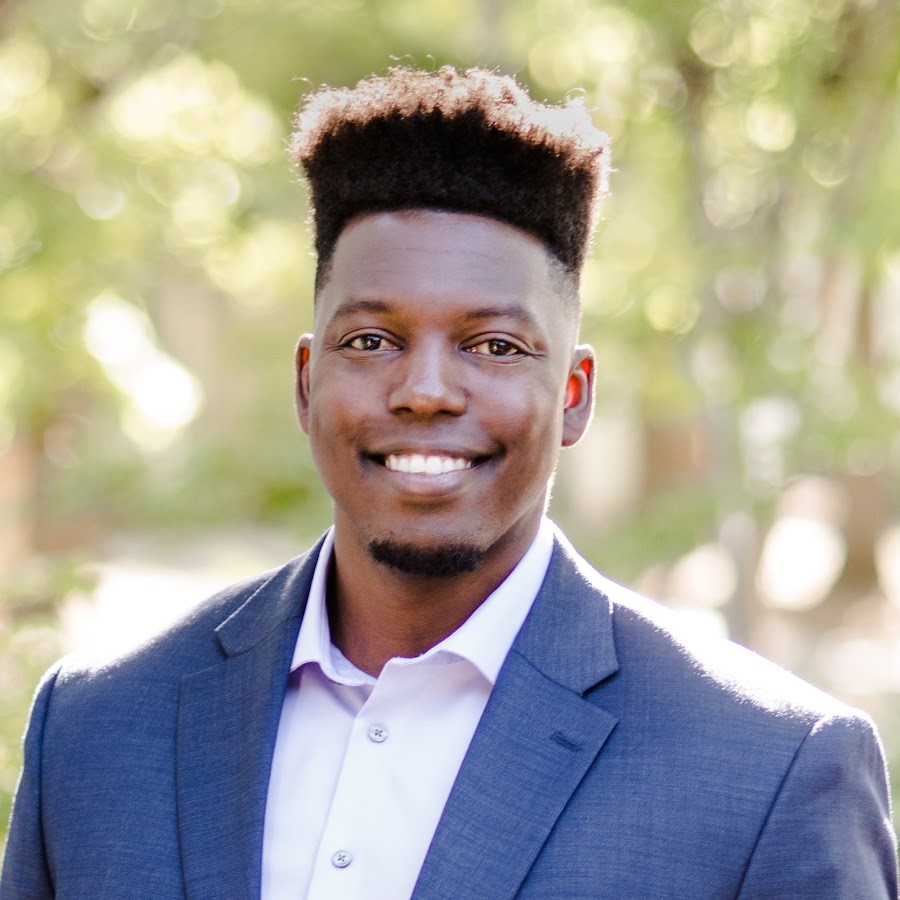
Dr. J Case Study: A Sober Living Home for Women and Children, Filled in 90 Days
Short answer: Juanyetta "Dr. J" B., founder of Sisu Living House, opened a sober living home serving women with children and reported filling it within 90 days. She later expanded to three homes. Her story shows why a clearly defined population can matter when local referral partners have few appropriate housing options.
This article is based on a Sober Living Riches interview and documented member updates. It reflects Dr. J's experience in her market and is not a guarantee of similar results.
Why did Dr. J open a home for women with children?
Dr. J did not choose the population because it sounded like a clever niche. Her own experience as a survivor of domestic violence shaped the work she wanted to do.
She kept seeing a difficult problem. A mother could need structured recovery housing, but many homes were not set up to accept children. That could leave a woman choosing between a housing opportunity and staying with her family.
Sisu Living House was built to address that problem. The home had a clear purpose from the beginning, and the referral conversations were focused on organizations already working with women and families.
How did she fill a sober living home in 90 days?
Dr. J reported going from concept to a filled home in about 90 days. The useful part of the story is the order of the work.
She did not begin with a generic house for "anyone in recovery." She identified the population, confirmed that local organizations had difficulty placing appropriate women with children, prepared a home around that need, and built relationships with the people encountering those cases.
That focus made the home easier to explain. Referral partners could quickly understand who the home served and when it might be an option. It also helped Dr. J avoid competing only on price or bedroom count.
Does choosing a niche guarantee that a sober living home will fill?
No. A narrow population only helps when the need is real, the home can serve that population responsibly, and the price and location work.
Women with children may require more than an extra bed. Operators need to think about property layout, child safety, transportation, schools or childcare, custody restrictions, resident agreements, insurance, staffing, and local rules. A meaningful mission does not remove the need for careful operations.
That is why market research comes first. Speak with the organizations serving the population and listen for repeated constraints. Do not build a specialized home from an assumption made online.
How did one home become three?
After the first home, Dr. J expanded to three. The later homes could build on relationships, documents, screening practices, and operating lessons that already existed.
Expansion still requires evidence. The demand that filled one home has to be large enough for another, and the first home needs systems that do not depend on the owner handling every issue personally.
In Dr. J's case, the continued need for family-friendly recovery housing helped support the decision to grow. The mission stayed consistent while the operation became larger.
What can a new sober living operator learn from Dr. J?
Three lessons stand out:
Start with a person, not a property. Define who the home can serve well.
Verify the gap. Ask local referral partners which appropriate placements they struggle to find.
Design around the real constraints. The property, policies, price, and support network must fit the population.
The phrase "find a niche" can sound like a marketing tactic. In recovery housing, it should mean understanding a population well enough to build something useful and responsible.
Can you start a sober living home for women and children?
Potentially, but the requirements are property-specific and state-specific. Operators should confirm housing, occupancy, fire, insurance, child-safety, and other local requirements before committing to a home. They should also be honest about whether they have the experience and community partners needed to serve families well.
A clear mission gave the home a clear place in the market
Dr. J opened Sisu Living House for women and children, reported filling the first home within 90 days, and later grew to three homes. The result is impressive, but the most useful takeaway is simple: the home was designed around a specific, verified need.
To learn how Sober Living Riches members research a market and build the referral relationships that support occupancy, watch the free training.
Member results are individual outcomes and are not typical or guaranteed. This article is educational and is not legal, clinical, or financial advice.