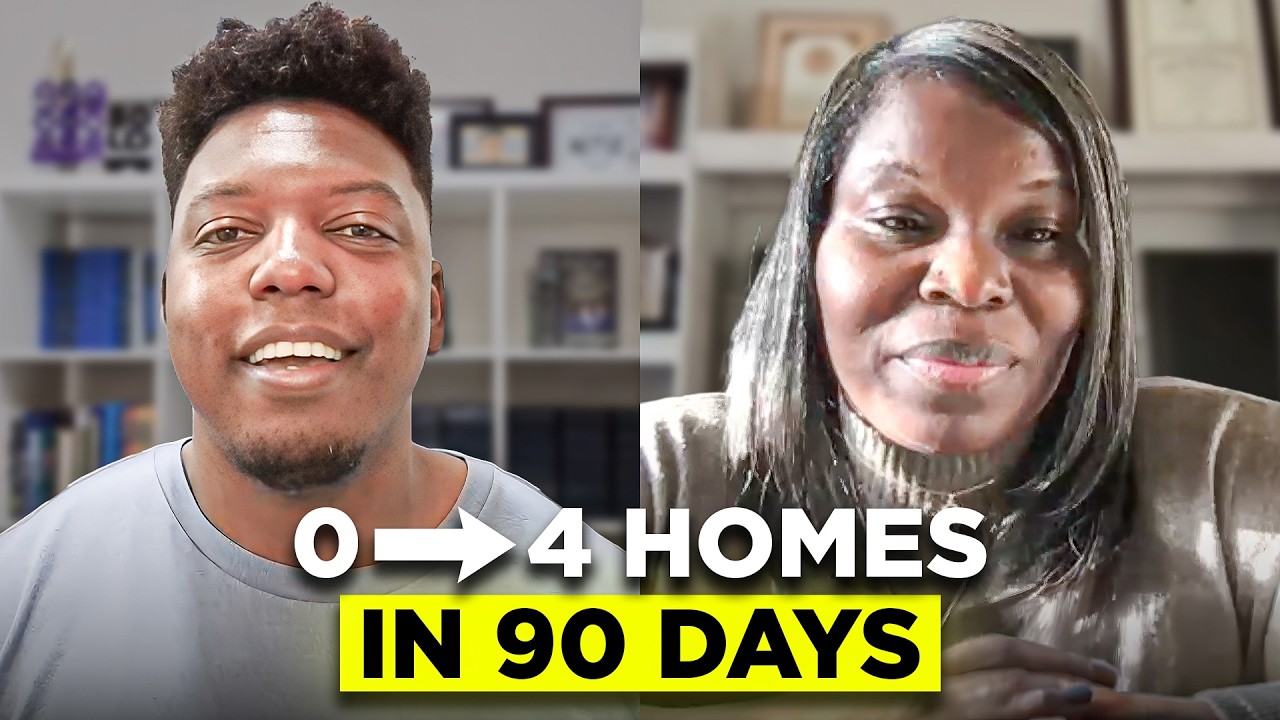
Catricia R. Case Study: From Failed Flips to 4 Sober Living Homes in 90 Days
Catricia R. opened four sober living homes in 90 days after her fix-and-flip real estate deals fell through. She spent nothing buying property. Instead of chasing renovation profits that depended on market timing, she switched to a model where income comes from filled beds, ran the launch checklist across four homes at once, and opened them back to back.
When the flips stopped paying
Catricia R. was a fix-and-flip investor. The model is simple on paper: buy low, renovate, sell high, collect the spread. It also pays you exactly once per deal, and only if two things cooperate. The market has to hold while you're in the project, and the rehab budget has to hold while you're spending it.
Hers didn't. Deals that looked good going in fell through when the timing turned. That's the quiet risk in flipping that nobody advertises: your income depends on a sale that hasn't happened yet, in a market you don't control.
The lesson Catricia took wasn't to leave real estate. It was to stop depending on a sale to get paid at all. She went looking for a version of property that pays every month, whether or not the housing market moves, and she found it in sober living.
A model that pays monthly instead of once
Sober living flips the flipper's math. There's no exit sale to wait on. Income comes in per bed, every month, for as long as the home stays full. The house is the container. The residents are the revenue.
That difference is what let Catricia stop timing the market. A flip rewards you at the end, if everything breaks right. A filled sober living home pays you the whole way through, and it keeps paying next month too. The market can dip, buyers can vanish, rates can move, and a full home still collects rent because its income doesn't ride on a single transaction closing.
She also didn't have to buy the properties to run them, which meant she wasn't sinking capital into acquisitions and renovations and then praying for a buyer to show up at the right price. Zero dollars went toward purchasing property. Every home she opened, she controlled by lease. The money that would have been trapped in a flip, tied up in a down payment and a rehab budget, stayed liquid instead. That liquidity is exactly what made the next part possible, because opening four homes at once is only realistic when your capital isn't locked inside the walls of the first one.
Four homes in the time one flip would take
Opening a single home with its first residents inside 90 days is the standard benchmark most operators aim for. Catricia hit four in that same window, and she did it by running the launch checklist in parallel rather than one home at a time.
The checklist is the same for every home. Market research to confirm there's real referral demand. A property secured by lease, not purchase. Furnishing to a repeatable spec so you're not reinventing the setup each time. Referral outreach that starts before anyone moves in, so the beds have somewhere to fill from on day one.
The reason parallel launches work is that the first home builds the assets every home after it reuses. The documents, the house rules, the vendor list, the outreach scripts, all of it exists once you've done it once. So the second home is easier than the first, the third easier than the second, and by the fourth it's closer to assembly than invention. She wasn't working four times as hard. She was running one process four times.
What her story proves about the model
The full breakdown of Catricia's launch, how she picked markets and how she filled the beds, lives in her video. But the point that matters for anyone comparing paths is the trade she made.
The same 90 days she would have spent on one uncertain flip, hoping the market cooperated, instead produced four homes that pay her every month. One outcome depended on a sale that might not come. The other depends on beds that fill through relationships she can build on purpose.
That's the reframe her story hands you. If you've been chasing one-time wins that live or die on timing, the question isn't how to time the market better. It's whether you'd rather get paid once, maybe, or every month, reliably, from an asset you didn't even have to buy.
The takeaway for anyone stuck on timing
Catricia's edge wasn't a secret market or a pile of cash. It was two decisions. She stopped tying her income to a sale, and she ran a repeatable process instead of treating each home as a one-off.
If your current model only pays when conditions line up, that's not a hustle problem, it's a structure problem. Recurring, per-bed income solves it. And once you've built the launch stack once, opening the next home is mostly repetition, which is how four in a quarter stops sounding impossible.
If you want to see whether this fits your market and your situation, watch the free training and book a call. We'll walk through your goals and your market and whether this is the right move for you.
Want to start your own sober living home?
Watch the free training, then book a call.
Watch the Free TrainingMore documented outcomes: browse 600+ member wins or read the other case studies.
Results shown are documented individual member outcomes and are not typical or guaranteed. This content is educational and is not legal or financial advice.